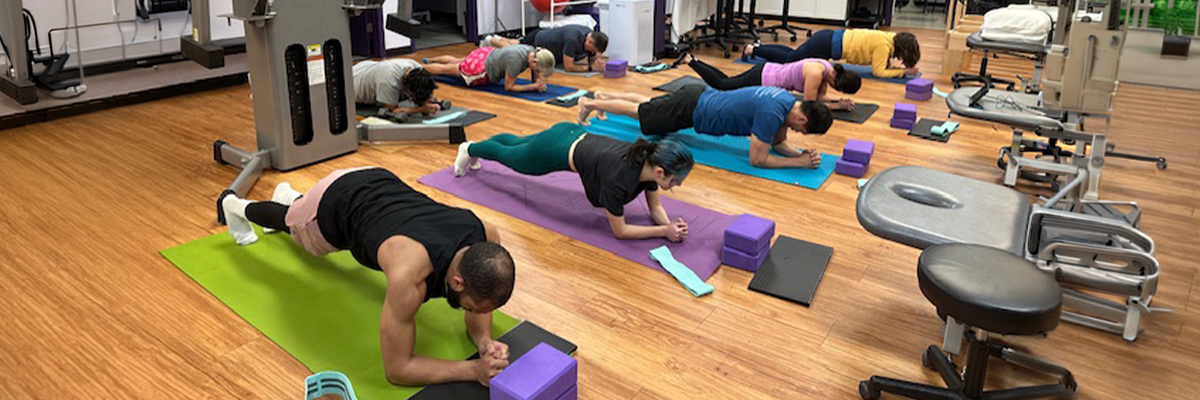
August Newsletter
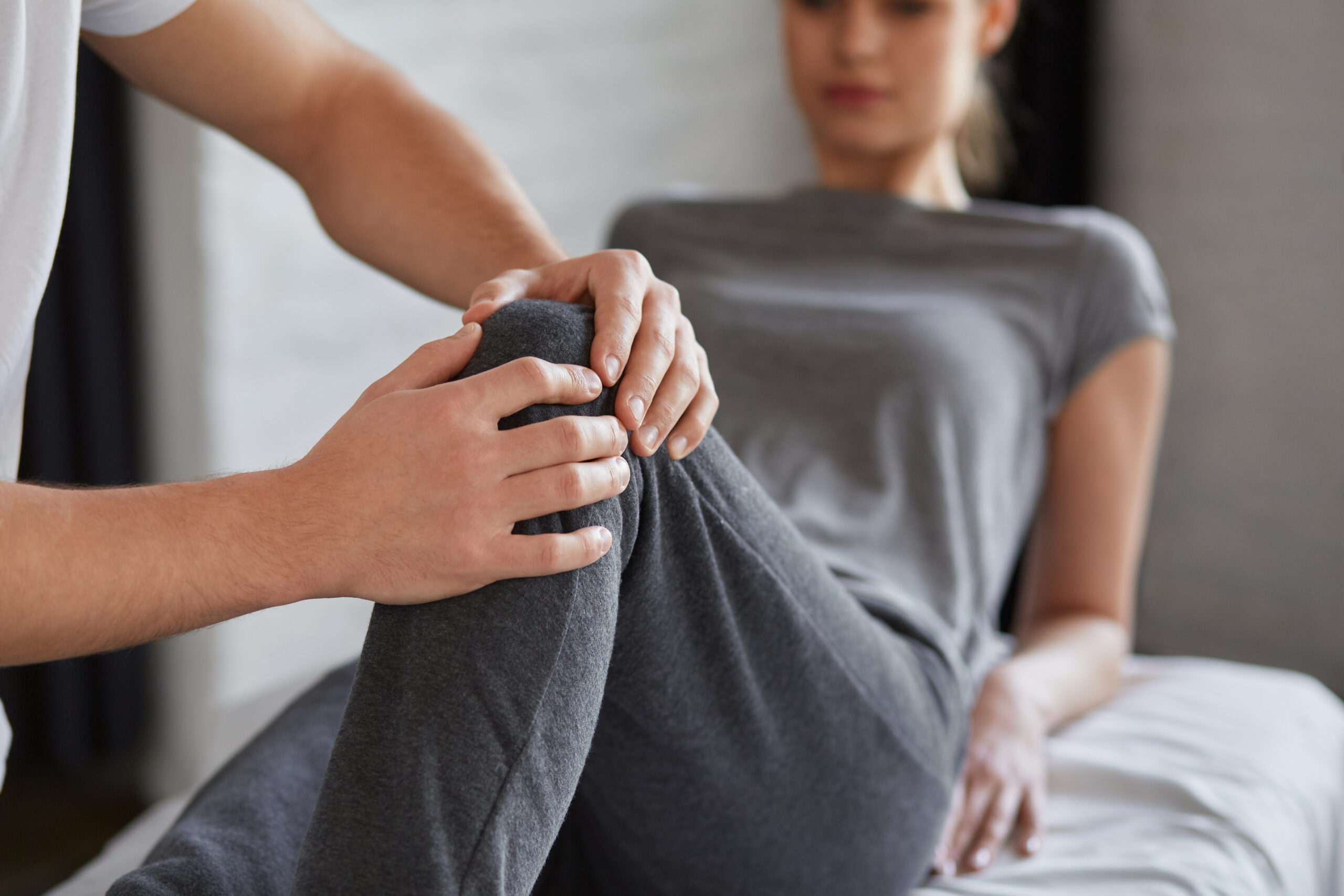
The Connection Between Hip and Knee Pain
Did you know that for a lot of people, their knee pain is not actually due to a problem with the knee, but one with the hip? At Kintsugi Physical Therapy and Wellness, we frequently observe that a problem originating in the hip can be first felt as knee pain and vice versa.
You might wonder how this is possible. The answer lies in what’s known as the kinetic chain, where the hip and knee joints work together. The interconnection means that an imbalance or dysfunction in one joint can lead to compensation and pain in the other. The good news is our therapists can help you figure out the source of your pain and, more importantly, guide you back to health.
To move towards a healthier, active life, we recommend you consult with one of our physical therapists as soon as possible!
Your Guide to Recognizing the Signs and Symptoms of Hip and Knee Pain
At Kintsugi Physical Therapy and Wellness, we believe in a holistic approach to healing. As musculoskeletal experts, we are trained to pinpoint the root cause of your condition, differentiate between hip and knee pain, and develop a plan that addresses the whole person, not just the symptom.
The Telltale Signs of Hip Pain
- Localized Discomfort and Stiffness: Hip pain generally starts as a localized discomfort in the groin area, often accompanied by stiffness restricting the range of motion. As the severity worsens, this pain can sometimes extend to the thigh and even the knee.
- Morning Stiffness: One of the most commonly reported symptoms is morning stiffness, which typically eases as the day progresses.
- Difficulty in Performing Daily Activities: Individuals with hip pain often find it challenging to bend over to tie shoes or pick up objects from the floor. This pain can intensify during movements like getting up from a seated position or walking uphill.
Classic Indicators of Knee Pain
- Localized Pain and Swelling: A primary indicator of knee issues is localized pain, often accompanied by swelling. This can be especially noticeable after prolonged periods of activity.
- Stiffness and Reduced Range of Motion: Another hallmark of knee pain is stiffness, which often restricts the knee’s range of motion.
- Popping or Crunching Noises: Experiencing popping or crunching noises during knee movement is a sign that shouldn’t be ignored, as these sounds often signify underlying knee issues.
- Difficulty in Bearing Weight: A large number of individuals with knee pain report difficulty bearing weight on the affected knee. This is often described as a feeling of weakness or instability, making activities such as climbing stairs or even simple walking difficult.
While interconnected, the hip and knee are distinct structures with unique roles in our body’s movement and different responsibilities. Understanding these differences is vital in diagnosing and treating pain effectively. This is where the expertise of our physical therapists can help!
Navigating the Path to Recovery with Kintsugi Physical Therapy and Wellness
At Kintsugi Physical Therapy and Wellness, our physical therapists will conduct a comprehensive evaluation and distinguish whether you’re dealing with an issue in your hip, knee, or both.
After completing the evaluation, we’ll design a program focusing on the actionable steps you can take to ensure long-term relief and prevention of future injuries, including the following:
- Tailored Therapeutic Exercises: Our therapists will provide you with stretching and strengthening exercises to help restore your mobility and function. For example, eccentric training focuses on elongating a muscle under tension, proving particularly effective in strengthening muscles and improving mobility.
- Neuromuscular Re-education: This involves using exercises and manual techniques to restore normal muscle function and movement patterns. These techniques are especially effective in reducing pain and enhancing function, especially in individuals with hip and knee pain.
Our therapists go beyond the surface, digging deep into your symptoms to identify the underlying issues and determine the true origin of your pain, whether the hip, the knee, or both. Our goal is to build a program that helps you get back to living your best life!
Follow These Simple Steps to a Pain-Free Life
Are you ready to embrace a lifestyle that promises better mobility and less pain? At Kintsugi Physical Therapy and Wellness, we are here to guide you every step of the way, fostering a future where you feel better, move better, and live better!
Call today to schedule an appointment!
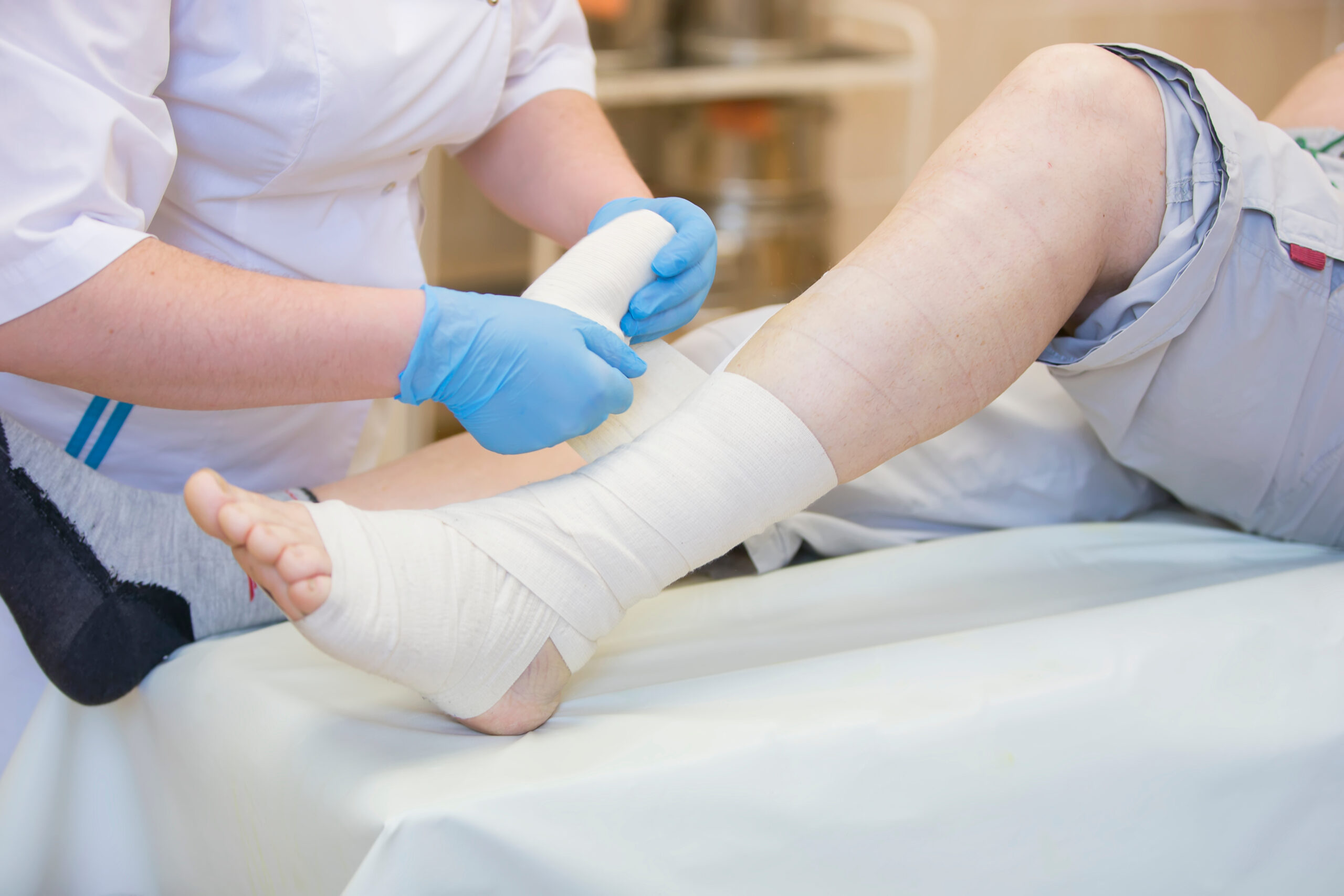
Jumping Injuries in Female Athletes: What You Need to Know
From volleyball to gymnastics, jumping is an important part of many popular sports. And every time you take that leap, it puts significant force on the lower body.
While these jumping-related demands affect all athletes, female athletes often face unique considerations that warrant special attention in injury prevention and recovery.
A Closer Look at the Mechanics of Jumping
Several factors can influence how your body absorbs force while landing from a jump, including:
- Your unique anatomy
- Overall muscle strength
- How well your brain and muscles coordinate movement
- Hormonal fluctuations
Some of these factors, especially anatomical differences and hormonal changes, are more likely to affect women, increasing stress on their hips, knees, and ankles during jumping and landing. If your movement patterns are inefficient or your joints aren’t as supported as they could be by nearby muscle groups, you further increase your risk of injury.
What Are Some Common Jumping-Related Injuries?
- ACL tears, which typically occur in sports that involve repeated jumping or sudden direction changes.
- Jumper’s knee, an overuse injury that occurs when repeated jumping and landing overloads the tendon connecting the kneecap to the shinbone.
- Runner’s knee, which (despite its name) can develop when repeated jumping places excess stress on the front of the knee
- Ankle sprains, which can occur if an improper landing causes your ankle ligaments to stretch or tear
Jump with Confidence, Land with Control
At Kintsugi Physical Therapy and Wellness, our team understands that female athletes often have unique needs and concerns that deserve attention. Our personalized, whole-person approach will help you better understand how your body moves so you can develop the strength and control needed for long-term success.
Ready to improve your jumps? Schedule an appointment with us today to get started.

Get Game-Ready for the Upcoming Fall Sports Season
As summer winds down, athletes and weekend warriors look forward to the start of the fall sports season. Whatever sport you are getting ready for, preparing your body is essential.
Start the season injury-free and in peak form with these tips:
- Sports Screening: Consider getting a biomechanical assessment to provide insights into your posture, gait, and body mechanics, helping you tweak your training for better performance and lower injury risk.
- Sport-Specific Conditioning: Prepare your body for the unique demands of your chosen sport. Different sports use different muscle groups, so tailor your workouts accordingly.
- Prioritize Recovery: Getting proper rest (sleep) is a critical but often overlooked aspect of physical training. Incorporating foam rolling can help muscles recover and prevent overuse injuries. Investing time and effort in your recovery can significantly impact your performance on the field.
By integrating these tips, you’ll be well-equipped to tackle the challenges of the fall sports season while minimizing your risk of injury.
Here’s to a successful and injury-free sports season!
https://www.choosept.com/guide/physical-therapy-guide-carpal-tunnel-syndrome
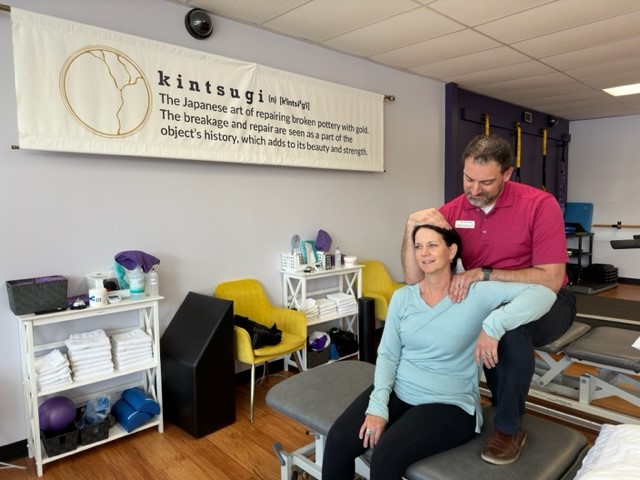
Patient Success Story
“Kintsugi Physical Therapy is a great place to go for all your rehab needs. The staff are very knowledgeable and friendly. I went there for my back and knee seeing mainly Laura and Lori, but some others as well. They get to know you and your needs. From the time you walk in the door until you leave you have their full attention, telling you what they are doing and how the treatment helps you and teaching you the proper way to do the exercises so you can do them at home and get the best results. This is the best place for your therapy by far.”
Leave Us a ReviewPAST PATIENTS
DOING WHAT THEY LOVE
Wearing Kintsugi PT t-shirts.
Send us your pics wearing our shirt and you may see yourself in the newsletter.


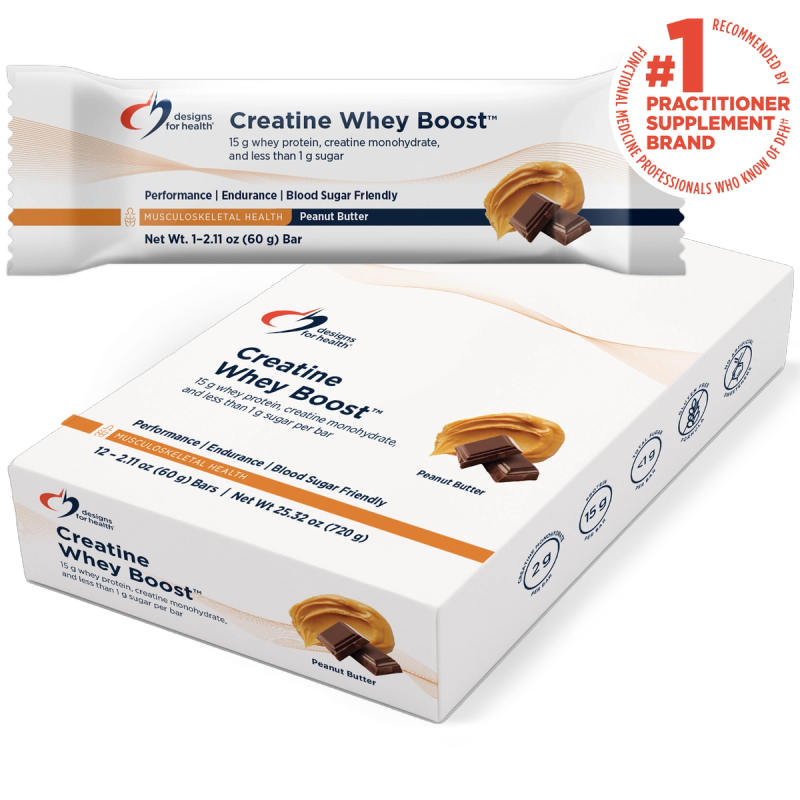
Creatine Whey Boost™ Peanut Butter
Protein-Rich Bar with Whey and Creatine Monohydrate
Formulated to support energy, strength, and recovery, this tasty bar provides 15 g of high-quality whey protein and creatine monohydrate per serving. It is packed with dietary fiber, contains very low total sugar, and is sweetened primarily with allulose to support healthy body composition without sacrificing flavor.
View Product
Jennifer Davis
Jen graduated from Pacific Lutheran University with a Bachelor of Science degree in Exercise Science and then earned her Doctorate degree in Physical Therapy from the University of Puget Sound. During her studies, she gained an appreciation for the ever-evolving field that is Physical Therapy and recognizes the importance of learning and growing each day. Jen enjoys working with a variety of patients and aims to empower them to get back to the things in life that they love doing. She believes that rehab should be challenging yet fun and that with proper communication and a positive mindset, anything is possible. Jen has taken an interest in working with runners and is looking forward to learning more about how to best serve this patient population.
Jen enjoys hiking, trail running, backpacking, and ski touring the beautiful PNW mountain ranges with her husband and dog in her free time.
Meet Our Team:max_bytes(150000):strip_icc():format(webp)/Simple-Lemon-Herb-Chicken-2000-610e2f2a1e9a4ba292d775e72f3dc888.jpg)
Simple Lemon Herb Chicken
This lemon herb chicken is a simple, quick, and delicious dish. All you need are a few herbs, fresh lemon juice, and of course, the chicken! Adjust the seasonings to suit your taste.
Ingredients
- 2 (5 ounce) skinless, boneless chicken breast halves
- 1 medium lemon, juiced, divided
- Salt and freshly ground black pepper to taste
- 1 tablespoon olive oil
- 1 pinch dried oregano
- 2 sprigs fresh parsley, chopped, for garnish
Instructions
Step 1: Prep the chicken. Place chicken in a bowl; pour 1/2 of the lemon juice over chicken and season with salt.
Step 2: Cook the chicken. Heat olive oil in a medium skillet over medium-low heat. Place chicken into hot oil. Add remaining lemon juice and oregano; season with black pepper. Cook chicken until golden brown and the juices run clear, 5 to 10 minutes per side. An instant-read thermometer inserted into the center should read at least 165 degrees F (74 degrees C).
Step 3: Garnish and serve. Garnish chicken with fresh parsley and serve immediately.
Exercise of the Month
ANKLE ALPHABETS
(Ankles)
Start by sitting up straight in a chair. Raise one leg out in front of you. Slowly write the letters of the alphabet with your foot, only moving at your ankle joint. 3 Sets, 10 Reps. (Materials needed: chair)