Shred Safely: Your Guide to Injury-Free Skiing and Snowboarding This Winter
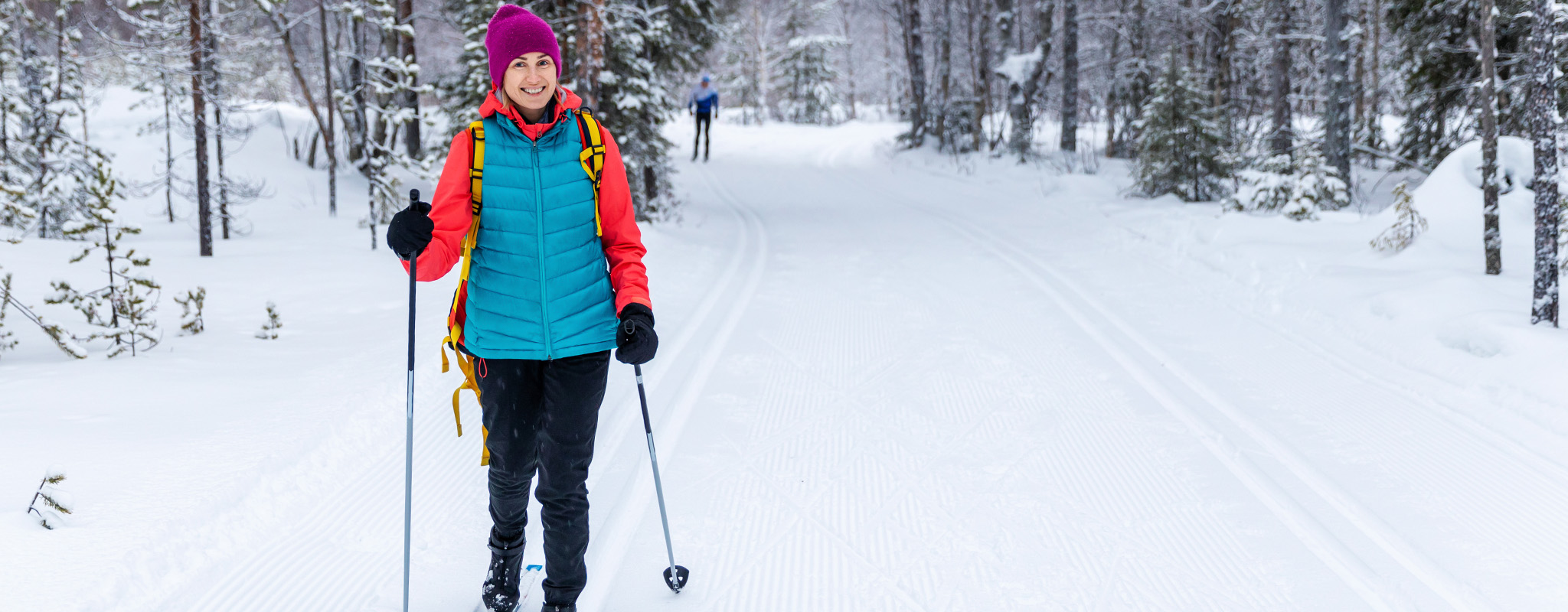
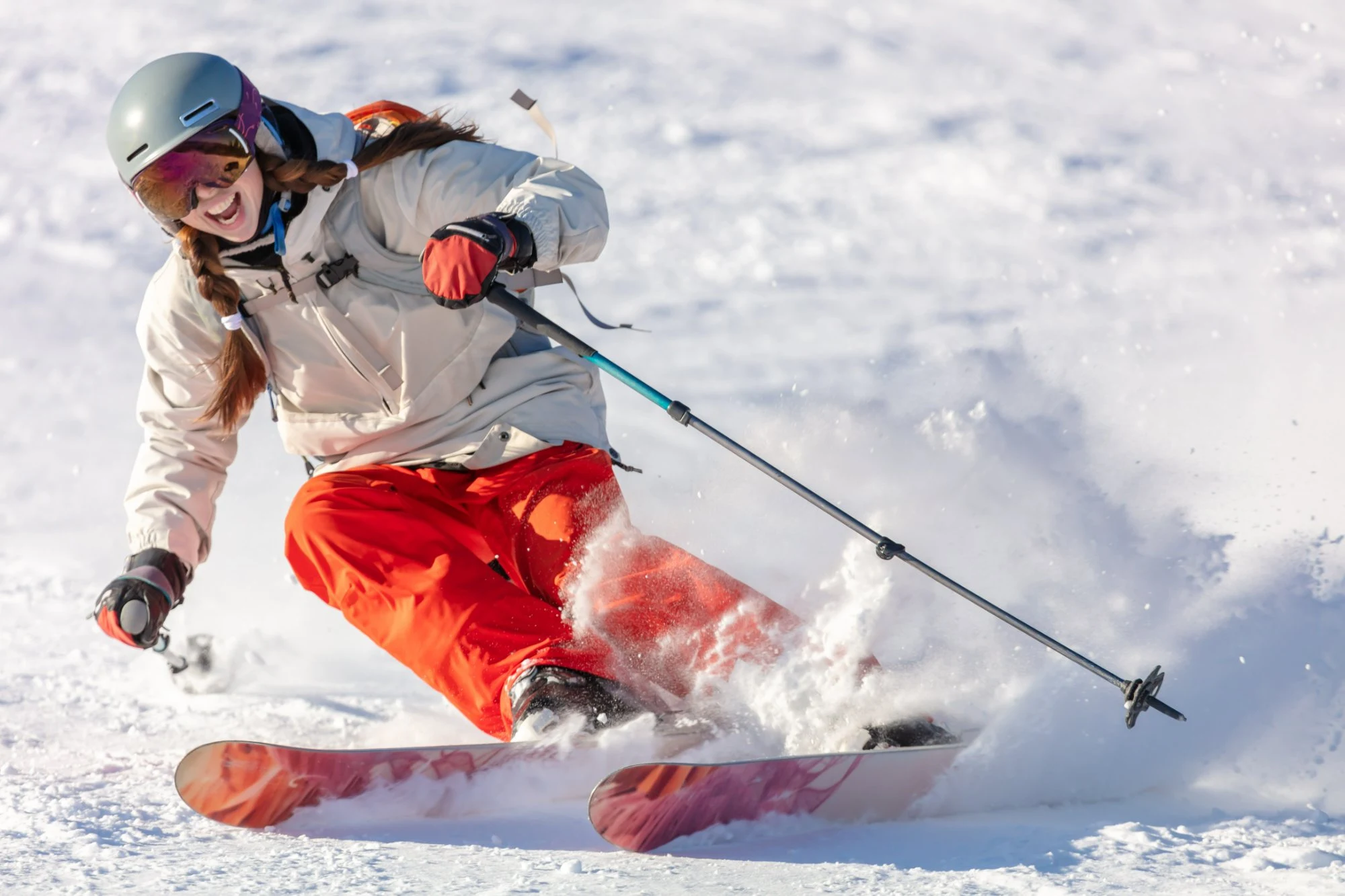
Winter will be in full force before you know it, which means the ski trails will be opening up soon, too. If you’re like us, you’re probably excited to hit the slopes.
However, it’s important not to take things too fast! Strapping on your skis or snowboard before you’re ready can set you up for an increased risk of sprains, strains, and other injuries that can keep you in the lodge for the rest of the season.
Fortunately, most ski and snowboard injuries are preventable with the right preparation, movement strategies, and physical conditioning—and a little help from the team at Kintsugi Physical Therapy and Wellness.
How to Prepare for the Winter Sports Season
Step 1: Build a Stable Foundation
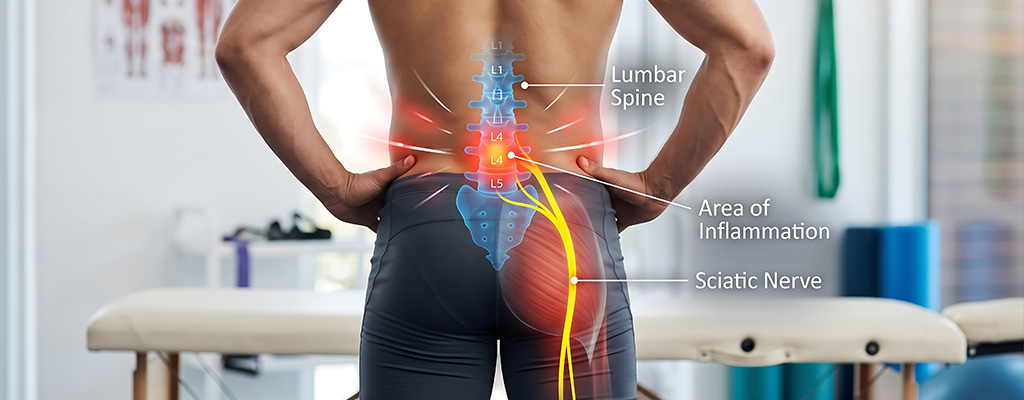
Most ski and snowboard injuries occur in the knees, shoulders, and lower back—all areas that absorb the most force during turns, jumps, and quick stops. A strong foundation protects these joints and improves control on uneven terrain. Focus on the following:
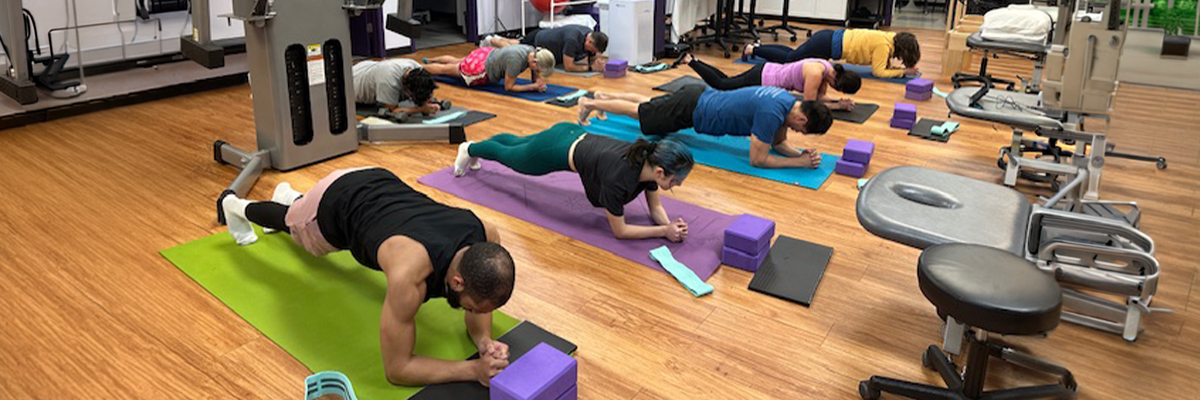
- Core Stability: Planks, bird dogs, and dead bugs strengthen your abdominal and back muscles, helping create a stable core that prevents excess twisting and reduces spinal stress.
- Hip Strength: Weak hips often lead to knee injuries. Add side-lying leg lifts, bridges, and resisted lateral walks to your pre-season workouts.
- Eccentric Leg Training: Exercises like slow squats and step-downs prepare muscles to absorb impact, which is essential for landing jumps or sudden stops.
Step 2: Improve Overall Mobility
A limited range of motion puts excess strain on your joints and makes it difficult to recover after a fall. Incorporating mobility work into your routine ensures you can adapt quickly once you’re on your favorite trail. Here are some key areas to target:
- Ankles: Improving dorsiflexion (bringing your toes toward your shin) improves balance and edge control.
- Hips and Hamstrings: Stretching these muscles allows for smoother transitions and less stress on the lower back.
- Thoracic Spine: Mobility in the upper back improves rotation and helps absorb forces during turns.

Step 3: Train Your Reflexes by Boosting Balance and Coordination
Good balance is your first defense against falls, especially with skiing and snowboarding, which demand constant weight shifts and core engagement. Training your balance system reduces the risk of sudden instability that leads to injuries. Here are some strategies our team might suggest:
- Single-Leg Stance Training: Try standing on one foot while performing arm movements or tossing a ball.
- Dynamic Balance Drills: Use wobble boards, BOSU balls, or uneven surfaces to simulate slope conditions.
- Proprioceptive Training: Our PTs can guide you through specialized exercises to retrain your body’s sense of position and movement, improving reaction time and coordination.
Step 4: Correct Your Technique to Avoid Strain
Out on the slopes, every movement matters. Even small changes in posture or alignment can impact your injury risk.
That’s why we recommend anyone who plans to ski or snowboard meet with the Kintsugi Physical Therapy and Wellness team for a detailed movement assessment before you strap in for the season. These assessments help us pinpoint weaknesses or compensations that might cause problems, such as:
- Over-rotating your trunk, which can overload the lower back and lead to strain
- Weak glutes that cause the knees to collapse inward during turns
- Limited ankle mobility that leads to improper weight distribution and instability
Identifying and correcting these issues will help you move more efficiently, reduce fatigue, and improve performance.
Step 5: Adopt Smart Habits on the Slopes
Conditioning before the start of the season is important, but so is adopting a few crucial routines once you’re ready to hit the trails. For example:
- Warm up before every run with 5–10 minutes of light cardio and mobility drills. This helps combat the cold conditions and keeps your muscles loose and ready for action.
- Stay hydrated. Yes, even in cold weather! Dehydration leads to fatigue and slower reflexes.
- Take breaks throughout the day. Fatigue is one of the top causes of ski and snowboard injuries.

Ready to Ride Without the Risk?
There’s nothing more exhilarating than slicing down a mountain, but an injury can easily stop you in your tracks. With proper conditioning, body awareness, and professional guidance, you can enjoy every turn with confidence.
The Kintsugi Physical Therapy and Wellness team is here to help you prepare for the season. Schedule your initial assessment today, and let’s make this your safest winter yet!

Patient Success
Staff Spotlight

Bryce Domingo
Bryce has been practicing physical therapy and massage therapy since 2002, working in mostly post-surgical inpatient orthopedic and outpatient orthopedic settings. He graduated from the University of Hawaii in Asian Studies and went on to obtain a massage degree from Hawaii College of Health Sciences and a PTA degree from Kapi’olani Community College. As a result, Bryce feels very aligned with the Kintsugi mission to provide a synergistic approach to health and wellness, based on individual needs and goals. He enjoys spending time with his wife and son, traveling, yoga, playing the ukulele, and visiting his homeland of Windward O’ahu.
Exercise of the Month
Clamshells (Exercise Band)
Hips • Glutes
Lie on your side with your knees bent and feet together. Position an exercise band above your knees. The side you want to exercise should be on top. While keeping your feet together, lift your top knee away from your bottom knee. Slowly return to the starting position.
3 Sets • 10 Reps
Materials needed: exercise band
Product Spotlight

Whole Body Trio™
A travel-friendly 3-in-1 blend of collagen, electrolytes, and creatine to support foundational health.* This product helps you move seamlessly from “workout mode” to “work mode.”
Classic Pumpkin Pie
Looking for a dessert to bring to your table this holiday season? This classic pumpkin pie pairs a smooth, spiced pumpkin filling with a flaky golden crust — a seasonal favorite that’s as comforting as it is delicious.

Ingredients
- 1 unbaked 9-inch pie crust
- 1 can (15 oz) pure pumpkin puree
- ¾ cup brown sugar
- 2 large eggs
- 1 can (12 oz) evaporated milk
- 1 tsp ground cinnamon
- ½ tsp ground ginger
- ¼ tsp ground nutmeg
- ½ tsp salt
Directions
- Preheat oven to 425°F and fit the pie crust into a 9-inch pie dish.
- Whisk together the pumpkin puree, brown sugar, eggs, cinnamon, ginger, nutmeg, and salt until smooth.
- Slowly whisk in the evaporated milk until fully combined.
- Pour the filling into the crust and bake for 15 minutes.
- Reduce oven temperature to 350°F and bake 40–45 minutes more, until a knife inserted near the center comes out clean.
- Cool completely on a wire rack before slicing.

Happy Holidays from Kintsugi Physical Therapy and Wellness
As the year comes to a close, the entire team at Kintsugi Physical Therapy and Wellness wants to say thank you. It’s a privilege to be part of your health and wellness journey, and we’re grateful for the trust you place in us every day.
Whether you’re traveling, gathering with loved ones, or enjoying a quiet season at home, we wish you a warm, joyful, and healthy holiday season. Here’s to moving well and feeling strong in the new year!