Running Injuries: Common Training Errors To Avoid
July Newsletter
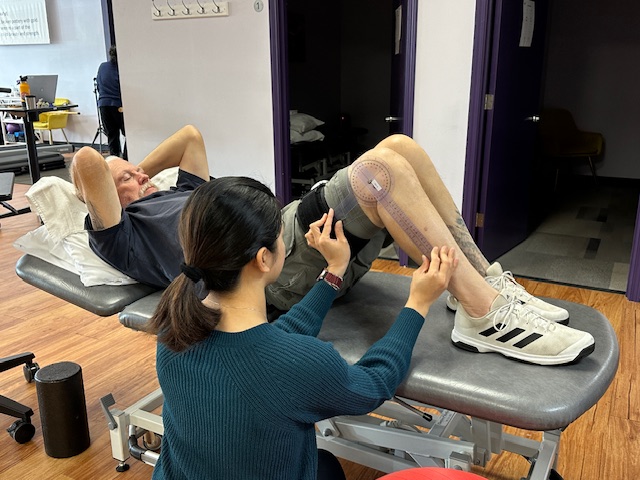
Are you looking for the most effective ways to avoid running injuries? Or have you been dealing with a nagging injury or persistent pain and looking to resolve your issues and get back to pain-free running? At Kintsugi Physical Therapy and Wellness, our physical therapists can guide you back to health and make sure you can run at your peak potential!
If you’re a runner, you understand the importance of training. Unfortunately, it seems like there is conflicting information, no matter where you look. It seems like one group of experts recommends one type of training when another expert claims that it is actually causing your problems and that you should be doing an entirely different type of training.
With all the changing information about how to prevent injuries, it can help to know there is someone you can count on for answers based in fact, not on a fad. At Kintsugi Physical Therapy and Wellness, we want to ensure that you avoid running-related pain and injury, so you get out there and enjoy your runs!
Request an appointment with one of our running specialists today, so we can help you train for a marathon or jog through the neighborhood without worrying about an injury getting in your way!
What Are The Leading Training Errors That Cause Running Injuries?
Running is one of the most popular activities worldwide. Unfortunately, running is often associated with pain or injury related to training. As technology improves, more and more people search the internet for help with training and recovering from an injury.
Unfortunately, the more desperate you are, the more likely you will look to any solution, regardless of its effectiveness. This, in turn, leaves people susceptible to the troubling amount of misinformation that permeates the running community. For example, too many runners emphasize ineffective solutions like changing their running shoes instead of implementing strategies that have been proven to make a significant difference, like training properly.
Identifying the exact cause of most running-related injuries is often impossible. More often than not, it is a combination of multiple factors or something that seems unrelated to the current issue.
For example, most people don’t know that the leading risk factor associated with runners sustaining an injury is having a previous injury in the last 12 months. The type of injury does not seem as important as the fact you had an injury and did not resolve it entirely. Resolving a prior injury will reduce your risk of getting hurt and keep you running.
Although there seems to be a difference in novice vs. experienced runners, as well as age and gender differences, the risk factors that lead to running injuries are mostly training errors. According to research studies, the most common risk factors include the following:
- Running experience of 0–2 years
- Restarting running after extended rest
- Overtraining (i.e., more than 40 miles per week, men > women)
- Women recreational runners were associated with a greater risk of running-related injury.
At Kintsugi Physical Therapy and Wellness, our physical therapist will help you resolve any pre-existing issues and maximize your training while simultaneously preventing injuries in the future! the joint). Symptoms are similar to a strain, but you might also experience a sense of the joint buckling under your weight.
How Your Physical Therapist Can Help You Prevent Running Injuries
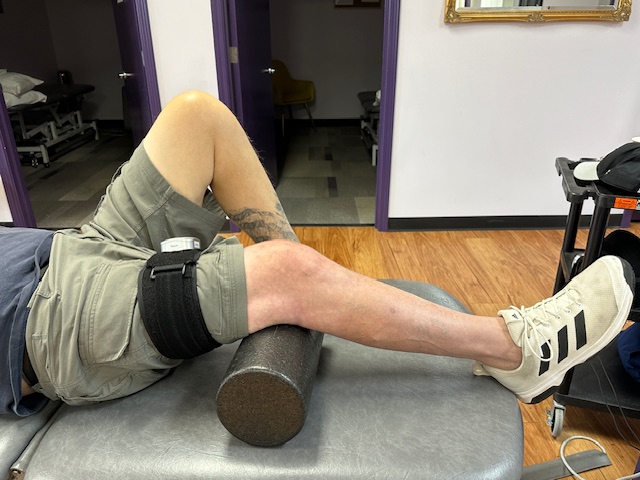
At Kintsugi Physical Therapy and Wellness, our physical therapists have proven successful in treating runners. We can help runners in all aspects of rehabilitation, injury prevention, return to run programs, and improved performance through proper training.
To start with, your physical therapist will thoroughly analyze your joints, muscles, and gait to identify any limitation or weakness that may lead to a running-related injury. Our therapists will take a thorough history to understand your training schedule, the type of training you perform, your history of previous or current injuries, and the runner’s overall health status.
This information is the foundation for our individualized programs. Initially, the emphasis is on alleviating pain and restoring mobility. We will employ targeted manual therapy techniques and modalities to ensure your progress and provide home exercises designed to maintain and improve your results.
We tailor our therapy interventions to your individual needs and an active approach to rehabilitation. As you progress, we will give you strengthening exercises that help to restore your function, prevent future injuries and enhance your overall performance when training or racing.
We will include balance and coordination drills, as well as any exercises that can stimulate your nervous system and minimize your risk of future injuries. Our “return to running” programs will focus on progressing your exercises to facilitate improvements where you have limitations or weaknesses to ensure a safe return to running.
Identifying all the possible causes of injury requires the skills of our trained physical therapists. We will assess you as a whole person and use the information to develop a program tailored to your specific needs to ensure you get back to pain-free running!
Request An Appointment At Kintsugi Physical Therapy and Wellness Today!
At Kintsugi Physical Therapy and Wellness, our physical therapists are up-to-date on the most common risk factors for running-related injuries. Our goal is to ensure you have the tools to train properly to help reduce your risk of future injuries and run at your peak potential!
Call today to schedule an appointment with one of our specialists!
Sources: https://www.ncbi.nlm.nih.gov/pmc/articles/PMC8329321/, https://www.researchgate.net/publication/260528060_The_Effects_of_Running_Cadence_Manipulation_on_Plantar_Loading_in_Healthy_Runners, https://journals.sagepub.com/doi/abs/10.1177/0363546518773755, https://www.sciencedirect.com/science/article/abs/pii/S0966636218316758, https://www.sciencedirect.com/science/article/abs/pii/S1440244018301798, https://journals.sagepub.com/doi/full/10.1177/0363546518793657

Debunking the Myth That Running Causes Osteoarthritis
Osteoarthritis (OA) is a degenerative joint disease characterized by the breakdown of cartilage in the joints, leading to pain, stiffness, and impaired mobility. While there is a common misconception that running contributes to the development of OA, numerous studies have shown this to be a myth.
Running has various health benefits, including improved cardiovascular fitness and weight management, which support joint health. In addition, movement, including running, helps keep the cartilage in the knee healthy.
Research has highlighted other factors that are contributors to the development of knee OA:
- Age: Aging is the most significant risk factor for OA. As individuals age, the cartilage in their joints naturally undergoes wear and tear, making them more susceptible to degeneration.
- Genetics: Genetic factors play a crucial role in determining an individual’s susceptibility to OA. Certain genetic variations have been associated with an increased risk of developing OA in various joints, including the knee.
- Previous joint injuries: Previous knee injuries, such as ligament or meniscus tears, can predispose individuals to OA later in life. The trauma from these injuries can accelerate the degenerative process in the affected joint.
- Obesity: Excess body weight places additional stress on the knee joints, leading to accelerated cartilage breakdown and an increased risk of developing OA. Maintaining a healthy weight through regular exercise and a balanced diet can help reduce the risk of OA.
- Joint misalignment or instability: Abnormalities in joint structure or function, such as malalignment or instability, can lead to uneven distribution of forces within the knee joint, contributing to cartilage degeneration and OA development.
The bottom line is that running does not cause knee OA. At Kintsugi Physical Therapy and Wellness, our therapists understand the risk factors associated with knee arthritis and will provide programs to preserve your joint health and reduce the burden of OA so you can keep running!
Sources: https://www.ncbi.nlm.nih.gov/pmc/articles/PMC9983113/, https://pubmed.ncbi.nlm.nih.gov/27519678/

Why Hitting the Beach Is More than Just Fun in the Sun
Planning a beach trip this summer? You’d be surprised how much exercise you can get during a beach vacation. In between building sand castles and napping in the sun, try these fun health-boosting beach activities:
- Walk on the sand: While walking is an excellent exercise in and of itself, doing so on a sandy beach has additional benefits. The sand provides resistance that can help build strength in the muscles of your lower body.
- Splash in the waves: Make sure to spend time in the water, even if you aren’t swimming. Water’s density means your muscles have to work harder to perform simple movements, making ocean time a great workout.
- Relax in the breeze: Spending time in nature can help you relax and destress, which can actually impact your physical health, too! Take a few moments to breathe deeply and enjoy the sights, sounds, and scents of your surroundings–particularly before it gets crowded!
Want to ensure you’re injury-free and ready to make the most of your time on the beach? Schedule an appointment with Kintsugi Physical Therapy and Wellness today!
https://www.choosept.com/guide/physical-therapy-guide-carpal-tunnel-syndrome
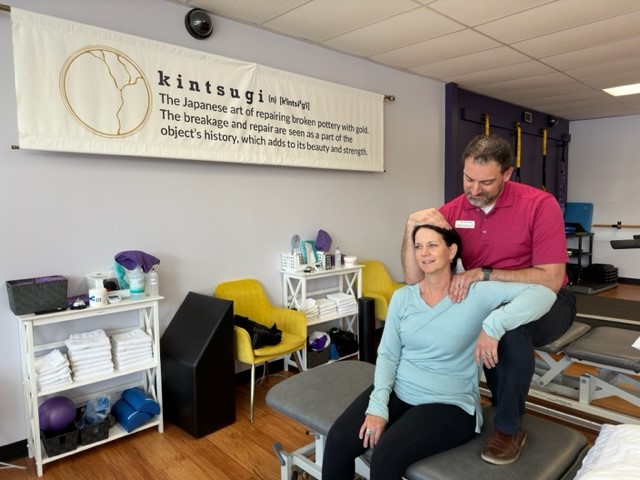
Patient Success Story
“Kintsugi Physical Therapy is a great place to go for all your rehab needs. The staff are very knowledgeable and friendly. I went there for my back and knee seeing mainly Laura and Lori, but some others as well. They get to know you and your needs. From the time you walk in the door until you leave you have their full attention, telling you what they are doing and how the treatment helps you and teaching you the proper way to do the exercises so you can do them at home and get the best results. This is the best place for your therapy by far.”
Leave Us a ReviewPAST PATIENTS
DOING WHAT THEY LOVE
Wearing Kintsugi PT t-shirts.
Send us your pics wearing our shirt and you may see yourself in the newsletter.


 }
}Performance Peptides™
Plant-Based Bioactive Peptides for Muscle Health*
Promotes healthy muscle strength, endurance, recovery, and retention with bioactive peptides.* Supports healthy body composition and aging.*
View Product
Jackie Chun
Jackie was born and raised on the island of Guam. She received her Bachelor of Science in Kinesiology at Western Washington University in 2015, and later earned her Doctorate in Physical Therapy at Mount Saint Mary’s University in 2020. Additionally, she has experience treating a variety of injuries that occur from work, sports, or from everyday life. One of her passions is in neurologic rehabilitation for stroke, Multiple sclerosis, and Parkinson’s disease. She works hard to stay on top of the best evidence for treatment and strives to help all individuals meet their goals.
Outside of the clinic, she enjoys CrossFit and going on hikes. Jackie spends most of her free time finding new places to eat. She has no problem with waiting in line for over an hour for donuts or being on a 3-month waitlist for pizza.
Meet Our Team
Easy Sundried Tomato Feta Phyllo Cups
Quick, easy, festive colors, and deep flavor… there’s a lot to love about these sundried tomato feta phyllo cups. They make a simple, crowd-pleasing appetizer built to impress your guests.



Ingredients
For the Filling
- 7oz/200g feta cheese, crumbled
- 1/2 cup sundried tomatoes, finely chopped
- A handful of thyme leaves, plus extra to serve
- 1 teaspoon chilli flakes
- 2 teaspoons honey (or hot honey sauce)
For the Pastry
- 3 sheets of filo (phyllo) pastry
- Olive oil, for brushing and greasing
Instructions
Step 1: Mix the filling. Heat your oven to 350°F (180°C fan). Add the crumbled feta, chopped sundried tomatoes, thyme, chili flakes, and 1 teaspoon of honey to a large bowl, then mix to combine completely.
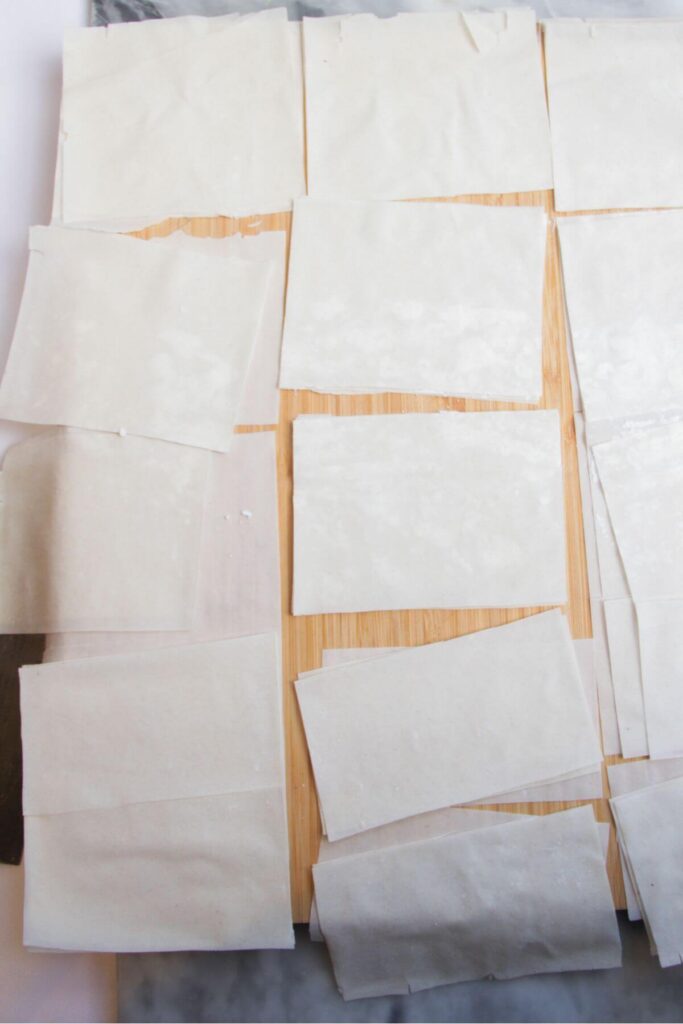
Step 2: Prepare the pastry cups. Lightly grease your mini muffin tin, then lay out one sheet of phyllo pastry on a wooden board or flat surface. Brush all over with olive oil, then lay another sheet directly on top. Brush with olive oil again, then lay the third sheet of phyllo on top. Slice into small squares. It’s best to slice a single test square first before cutting the rest, just to make sure they match the right size for your muffin pan slots.
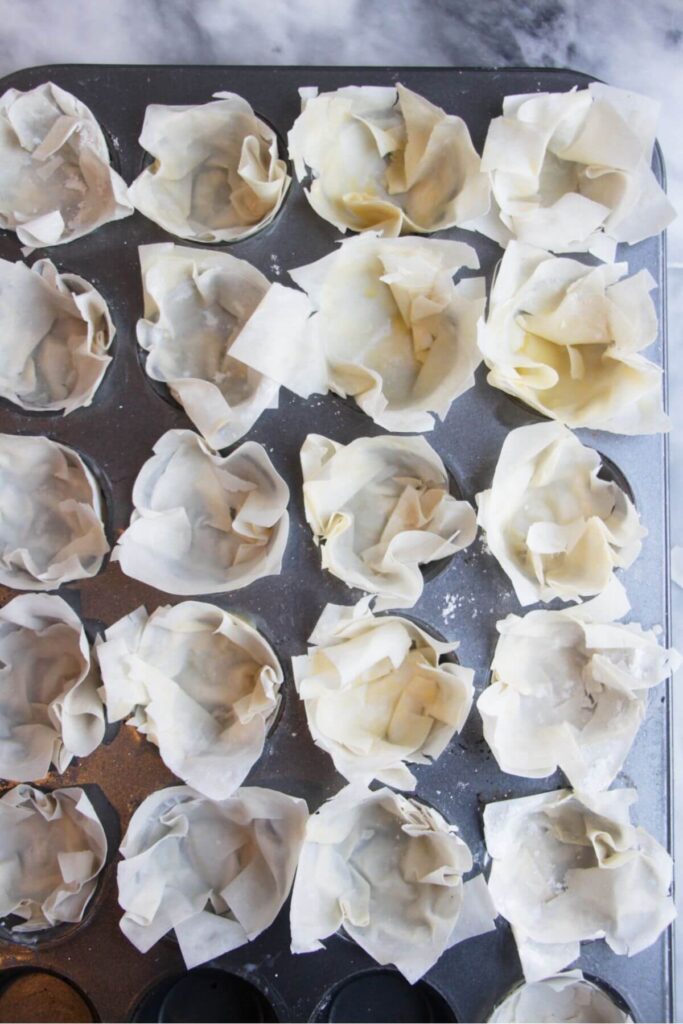
Step 3: Fill the cups. Press the filo squares gently into the holes in your muffin pan; they should easily fold right in. Spoon a generous amount of the sundried tomato and feta mixture into each cup, then transfer to the oven and bake for about 10 minutes, until the pastry looks golden and glorious.
Step 4: Garnish and serve. Carefully remove the filo cups from the muffin pan and transfer them over to a serving plate. Drizzle a bit more honey over the warm cups, then finish with a scattered handful of fresh thyme leaves.
Exercise of the Month
LUNGES
(Legs, Glutes, Core)
Stand tall with your feet hip-width apart. Step one foot backward and lower your back knee toward the floor, keeping your front knee aligned over your ankle. Push through your front heel to return to the starting position. Alternate legs with each rep. 3 Sets, 10 Reps (each leg). (Materials needed: none)