Plantar Fasciitis: The Most Common Cause of Heel Pain Revealed!
You wake up and crawl out of bed – only to feel a sharp, stabbing pain shoot up from your heel. No, you didn’t step on a tack. It’s likely plantar fasciitis, one of the most common causes of heel pain worldwide.
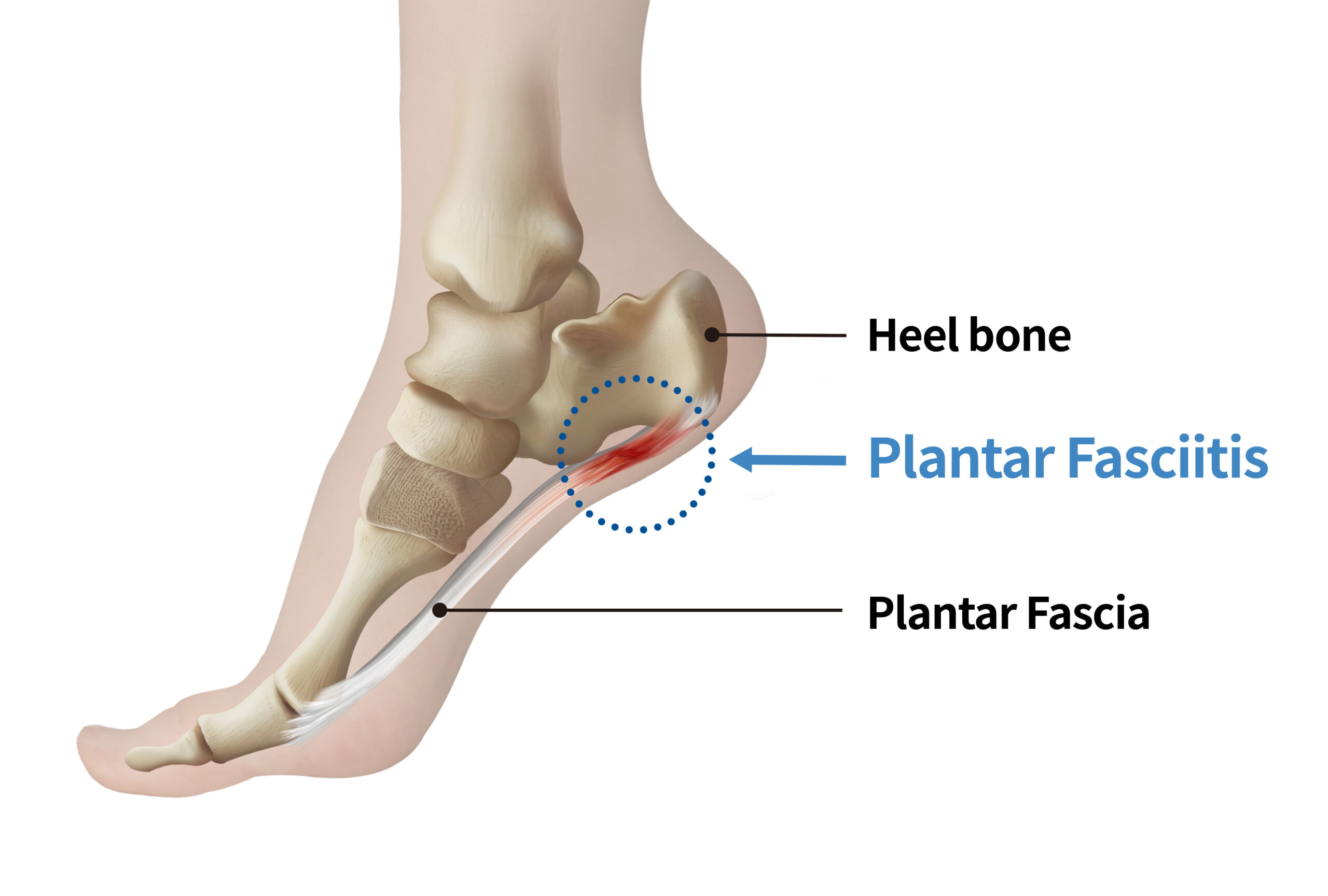
Plantar fasciitis is a painful condition that affects your plantar fascia, a band of tissue running along the bottom of your foot from your heel to your toes. When the plantar fascia becomes irritated or inflamed, usually due to overuse, it leads to foot discomfort (which then makes it harder for you to get around).
While plantar fasciitis is painful, it’s also easily treated with physical therapy. The team at Kintsugi Physical Therapy will work closely with you to rehabilitate your injury, providing immediate pain relief and helping you uncover what caused your plantar fasciitis in the first place.
Today, we want to give you an overview of plantar fasciitis so you know what you’re dealing with. Already struggling with foot or heel pain? Call us to schedule an appointment so we can start helping you find relief!
How Do I Know It’s Plantar Fasciitis?
Many injuries can cause foot pain, from ankle sprains to tiny stress fractures. That’s why it’s important to pay attention to the location and sensation of your foot pain, as well as any mobility issues. To help you understand the signs and symptoms of plantar fasciitis, let’s look at an example case.
Sarah had recently taken up running after several years away. She loved going out every morning and jogging around her neighborhood. But after a few weeks, she started to experience discomfort on the bottom of her foot whenever she went for a run.
The pain usually started as a sharp, stabbing pain on the bottom of her heel, but she also noticed that the arch of her foot felt tender and restricted.
After experiencing the pain for the first time, she started to notice it more frequently, and not just after her runs, either:
- First thing in the morning, when she got out of bed
- While standing in a long line at the grocery store
- While spending a day walking around an amusement park
- After watching a long movie in the theater
When Sarah eventually visited a physical therapist to seek treatment for her foot pain, she made sure to carefully lay out all the times she experienced pain (and all the times she didn’t; Sarah noticed the pain tended to fade around mid-morning, then flare up in the evening). That, along with her detailed explanation of the pain’s location, helped her PT correctly identify her pain as plantar fasciitis.

Physical Therapy: Frontline Treatment for Plantar Fasciitis
The Kintsugi Physical Therapy team’s knowledge of your body’s musculoskeletal systems means we can help you treat plantar fasciitis without invasive treatment methods (like surgery). While rehabilitation might take some time (usually a few weeks to a few months), you can resolve your pain through targeted foot exercises.
Here’s what you can expect when you visit us:
A thorough evaluation: Besides reviewing your symptoms, we’ll conduct a comprehensive gait assessment and other movement screens to help us identify any biomechanical factors that might contribute to your plantar fasciitis.
Pain management: We’ll help manage your acute pain through hands-on manual therapy techniques, foot taping, and other drug-free approaches.
Therapeutic exercise: Stretching and strengthening exercises will help resolve your current bout of plantar fasciitis. We’ll provide you with a tailored exercise program, including simple exercises you can do at home to help maximize your recovery.
Prevention tips: Plantar fasciitis is usually an overuse injury, meaning it develops gradually over time. A frequent cause of plantar fasciitis is starting an intense new workout program (as Sarah did). Faulty gait mechanics and other lifestyle factors can contribute to it as well. We’ll provide you with customized advice and strategies for avoiding future incidents of plantar fasciitis.
Got Foot Pain? Call Us Today!
If you’re experiencing foot discomfort or immobility, your best bet is to call the team at Kintsugi Physical Therapy and schedule an initial consultation. Be prepared to discuss your symptoms in detail – and to receive a customized treatment program that will have you feeling footloose and fancy-free in no time!

Our New supplement partnership
Kintsugi Physical Therapy & Wellness is Proud to Offer Products from Design For Health!
Why Kintsugi Physical Therapy & Wellness Recommends Design for Health

For over 30 years, Designs for Health has been at the forefront of the natural and integrative medicine movement, trusted and utilized by healthcare practitioners worldwide.
They control what goes into their formulas every step of the way. Their manufacturing processes enhance the bioavailability of active ingredients to ensure you benefit from the physiological and biological effects.
With over 320 research-backed nutritional products formulated with quality-tested ingredients, DFH is committed to developing targeted formulas that optimize your health and wellness.
3 Tips for Starting a New Workout Routine Without Injury
As physical therapists, we’re fans of exercise. The CDC recommends that adults get 150 minutes of moderate physical activity a week, and regular exercise will boost your mental and physical health.
That said, you can’t immediately jump from a completely sedentary lifestyle to intense, hour-long daily workouts. For one, you’re likely to burn out and quit regular exercise altogether. But you also run the risk of injuring yourself.
Fortunately, there are a few strategies that can help you safely start up a physically active lifestyle:
Talk to Your Physical Therapist
Ever notice how workout videos tell you to consult with a medical professional first? If you’re new to exercising, this is crucial advice! Before you dive into a new routine, schedule an appointment with our PTs. We’ll perform a comprehensive assessment and help guide you toward the right exercises for your needs.
Start Slowly and Gradually Build the Intensity
If you’ve ever talked to marathon runners, they’ll tell you they spend months training. No one jumps off the couch and immediately runs 26.2 miles! Follow their lead and start with low-intensity workouts. Over time, you can add more time or more challenging exercises to your routine.
Warm Up and Cool Down
Make sure you begin every workout session with ten minutes of mobility exercises or light cardio and end each session with gentle stretches. Warm-ups prepare your body for movement, and cool-downs help bring your breathing and heart rate down to non-exercise levels.
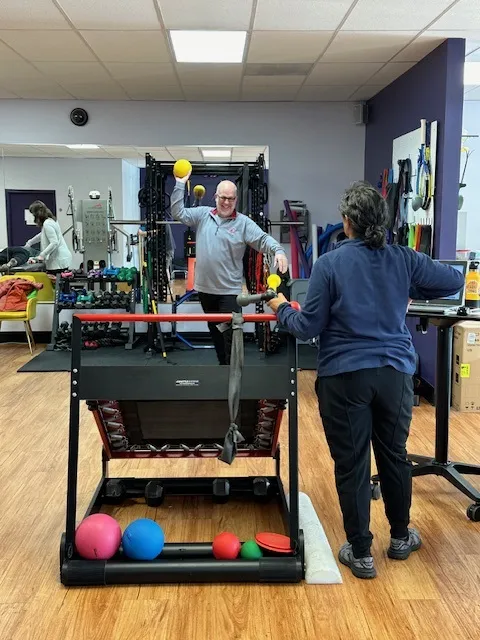
We’re Here For You!
At Kintsugi Physical Therapy, we love helping our patients get active safely and at their own pace. Call us today for personalized advice about starting your new workout routine.

Feel Better by Eating Better!
Anti-Inflammatory Ginger & Turmeric Carrot Soup
This delicious ginger and turmeric carrot soup is as comforting as it is healing. Packed with strong flavors like garlic, fennel, and ginger, and full of anti-inflammatory ingredients, this is the perfect winter soup.
Directions: Heat the olive oil in a large dutch oven or saucepan. Add the fennel, leeks, carrots, and squash. Sauté for 3-5 minutes until the veggies start to soften. Add the garlic, ginger, turmeric, salt, and pepper, and sauté for a few more minutes. Add the broth and coconut milk. Bring the mixture to a boil, cover, and simmer for 20 minutes. Once the soup is cooked, add it to a blender and blend until creamy. You could also use an immersion blender. Taste and adjust the seasonings to your taste. Serve immediately with a dollop of coconut yogurt and enjoy!
https://www.simplyquinoa.com/anti-inflammatory-ginger-turmeric-carrot-soup
Ingredients
- 1 tablespoon olive oil
- 1 leek, cleaned and sliced
- 1 cup chopped fennel bulb (1 small head)
- 3 cups chopped carrots
- 1 cup chopped butternut squash (or more carrots)
- 2 garlic cloves, minced
- 1 tablespoon grated ginger (about a 2-inch piece)
- 1 tablespoon turmeric powder
- Salt & pepper to taste
- 3 cups low-sodium vegetable broth
- 1 can lite coconut milk (14.5 ounces)
Exercise of the Month
Plantar Fascia Stretch Off Yoga Block
Start by standing facing a yoga block. Place the front of the foot you want to stretch onto the edge of the yoga block with your heel on the ground. Slowly shift your weight forward, arcing your toes up to stretch your foot. Hold for 30 seconds and repeat.