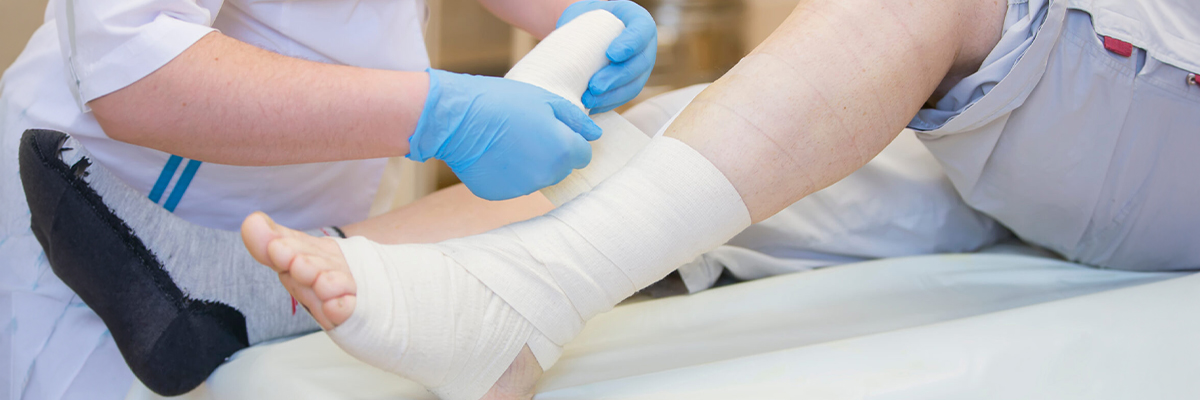

Shin Splints Don’t Just Affect Runners!
Have you heard your runner friends complain about pain from shin splints and assumed that was one injury you don’t need to worry about? Well, we’ve got some bad news: shin splints can affect pretty much anyone.
Shin splints are an overuse injury that develops when the muscles, tendons, and bones in the lower leg endure excess stress. They’re common among runners because running causes the kind of long-term, repetitive impact that leads to shin splints. (Plus, many people will pick up running without easing into it, another common cause.)
However, shin splints aren’t just a runner’s injury – a wide range of athletes and active individuals are also at risk. Fortunately, physical therapy is an effective tool for managing, resolving, and preventing shin splints, and the team at Kintsugi Physical Therapy is here to help!
Why Do Shin Splints Happen?
Several factors can lead to the development of shin splints. Often, they may develop due to a combination of factors, including the following:
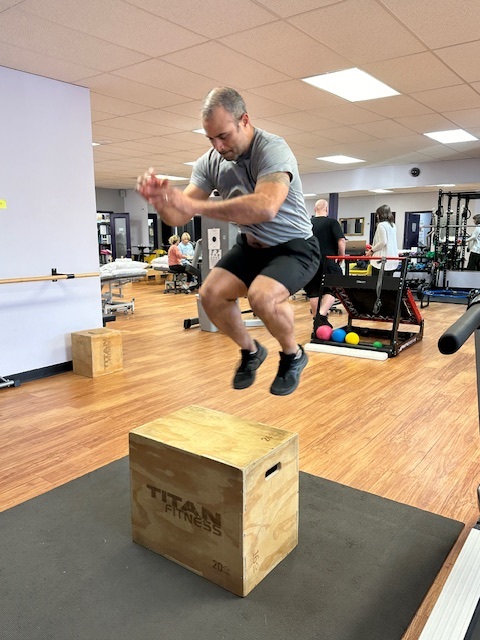
- High-impact activities (like running, jumping, or sudden changes in direction) that place constant pressure on the lower leg
- Weakness in the calf or shin muscles, causing them to lose their ability to absorb shock effectively when they become overworked or fatigued
- Improper biomechanics that put additional stress on the shins
- Rapid increases in intensity, frequency, or duration of physical activity
- Running or jumping on hard surfaces (like concrete) or uneven terrain
- Worn-out or unsupportive shoes that fail to absorb shock properly, leading to excessive force being transferred to the lower leg
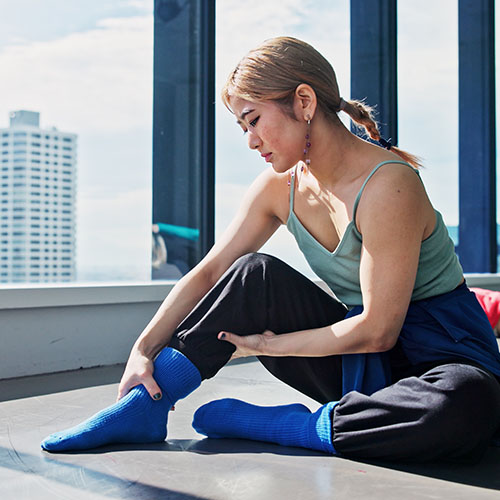
Non-Running Activities That Can Cause Shin Splints
Because so many factors can contribute to shin splints, it should be no surprise that you don’t have to be a runner to develop this condition.
Gymnastics
- Landing from jumps and tumbling routines puts significant force on the lower legs.
Dancing
- High-impact movements and frequent jumping add strain to the shin area.
Basketball and Soccer
- These sports require a lot of running–but they also involve quick stops, starts, and direction changes that can create additional repetitive stress.
Tennis and Other Court Sports
- The constant pivoting and sprinting contribute to muscle fatigue and irritation.
Military Training
- Prolonged marching and running in heavy boots increase stress on the legs.
Tendonitis and Shin Splints: What’s the Difference?
Shin splints are closely related to tendonitis, another common overuse injury. Although these two conditions are both common causes of leg pain, they affect different structures and have different underlying causes.
Shin Splints
Shin splints are caused by inflammation of the muscles, tendons, and bone tissue around the shin bone. Symptoms include:
- Dull, aching pain along the inner border of the tibia, where muscles attach to the bone, that worsens with activity and subsides with rest.
- Tenderness to the touch along the shin bone.
Tendonitis
Tendonitis is inflammation of a tendon, the tissue that connects muscle to bone. You’ll experience pain along the inside of the lower leg. Symptoms include:
- Sharp, localized pain that worsens with activity
- Tenderness and swelling around the affected tendon
- Stiffness and pain that are worse in the morning or after prolonged periods of rest
If you’re experiencing lower leg pain, it’s important to get an assessment from our physical therapists so you can ensure proper treatment.
Addressing Shin Splints with Physical Therapy
The good news is that physical therapy is an effective approach to managing shin splints, no matter what sort of athlete you are. Our team will assess your symptoms and learn more about your activity levels to develop a treatment program that meets your needs.
Every program is different, and we pull from a wide range of treatment options, including the following:
Activity Modification
- Reducing high-impact activities gives tissues time to heal. We may suggest temporary modifications to your training, such as switching to swimming or cycling.
Manual Therapy
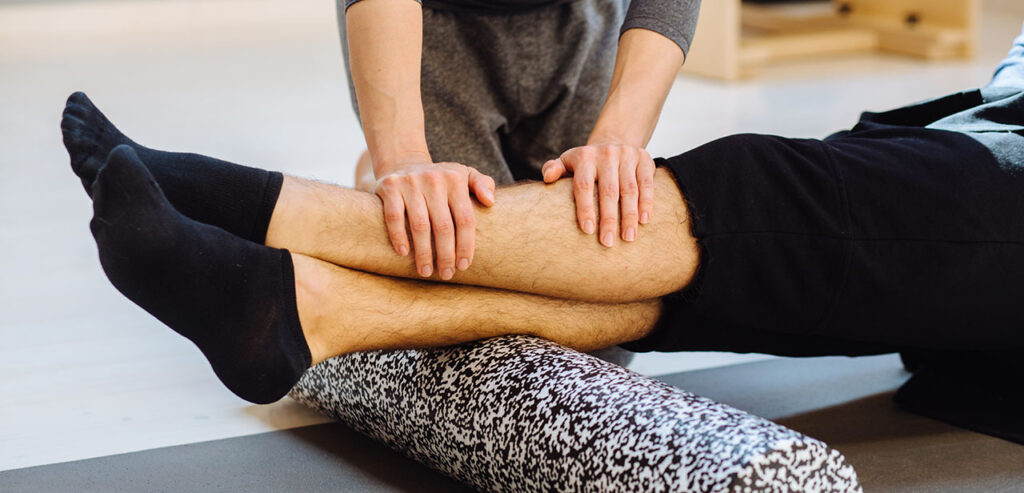
- Hands-on techniques help loosen tight muscles, improve circulation, and reduce pain.
Therapeutic Exercise
- Weak muscles contribute to poor movement patterns, increasing stress on the lower legs. Strengthening the calves, hips, and core helps absorb impact more effectively.
Gait Analysis and Correction
- Improper running or walking mechanics can contribute to shin splints. We’ll assess your movement patterns and provide exercises to correct imbalances.
Prevention Strategies
- We’ll also work with you to develop a personalized shin splint prevention program. For example, we can help you gradually increase the intensity of your training routines, help you choose the right footwear or surfaces, and guide you through proper warm-ups and cool-downs.
Schedule an Appointment to Get Started
Recovering from shin splints takes time, but the real key to lasting relief is addressing the underlying causes – something the Kintsugi Physical Therapy team can help you do. Call us today to schedule your initial assessment!
Our New supplement partnership
Kintsugi Physical Therapy & Wellness is Proud to Offer Products from Design For Health!
Why Kintsugi Physical Therapy & Wellness Recommends Design for Health

For over 30 years, Designs for Health has been at the forefront of the natural and integrative medicine movement, trusted and utilized by healthcare practitioners worldwide.
They control what goes into their formulas every step of the way. Their manufacturing processes enhance the bioavailability of active ingredients to ensure you benefit from the physiological and biological effects.
With over 320 research-backed nutritional products formulated with quality-tested ingredients, DFH is committed to developing targeted formulas that optimize your health and wellness.
WHY DOES MY ANKLE/FOOT HURT?
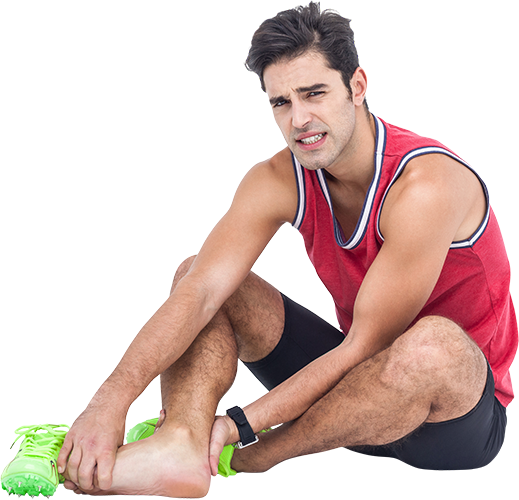
Did you know that all 26 bones in your ankle and foot have to work together for normal and efficient function? Ankle and foot regions are subject to constant stress and hazards ranging from the effects of walking, running, ill-fitting shoes, long-term standing to traumatized sports injuries. The most commonly reported injuries are ankle sprain, plantar fasciitis, heel spur, shin splints and metatarsalgia. These can be painful and make walking difficult. Physical therapy is an effective treatment for these conditions by using stretches and manual therapy to restore mobility to the foot.
Contact Our Office Today
1. We identify the core cause of your problem
2. We create a Personalized Action Plan
3. We use revolutionary and innovative technology
4. Start seeing immediate results
5. Excellent patient education
6. We coordinate with your doctor
7. We motivate you throughout your program of care
Feel Better by Eating Better!
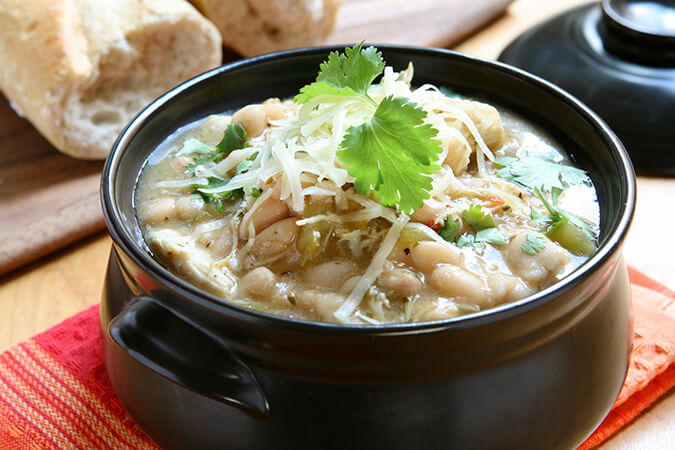
Slow Cooker White Chicken Chili
This Crockpot White Chicken Chili offers comfort and satisfaction, courtesy of its creamy texture and healthy ingredients. The slow cooker keeps it breezy and hands-free!
Place chicken in the bottom of a 6-quart or larger slow cooker. Add the chicken broth, white beans, green chiles, garlic, onion, cumin, oregano, salt, and cayenne. Stir to combine. Cover and cook on low for 4 to 6 hours or high for 2 to 4 hours, or until the chicken is cooked through. Remove the chicken breasts to a plate. Once cool enough to handle, shred and set aside.
With an immersion blender, puree a portion of the chili to thicken it, leaving some of the beans whole. (If you don’t have an immersion blender, you can instead transfer a few ladlefuls of the chili to a food processor or blender and pulse roughly, then return back into the chili.)
Stir in the shredded chicken and cilantro. Portion into bowls and top with a squeeze of fresh lime juice. Add any other desired toppings and enjoy.
Ingredients
- 1 1/4 lbs. boneless skinless chicken breasts (2-3 breasts)
- 4 cups low-sodium chicken stock
- 2 (15-oz) cans reduced-sodium white beans such as white kidney, navy, cannellini, or Great Northern beans, rinsed and drained
- 2 (4.5-ounce) cans diced green chiles
- 3 cloves garlic minced
- 1 small yellow onion (or 1/2 large) finely diced
- 2 teaspoons ground cumin
- 1 teaspoon dried oregano
- 1/2 teaspoon kosher salt
- 1/4 teaspoon cayenne pepper
- 1/4 cup chopped fresh cilantro
- Fresh lime wedges
Exercise of the Month
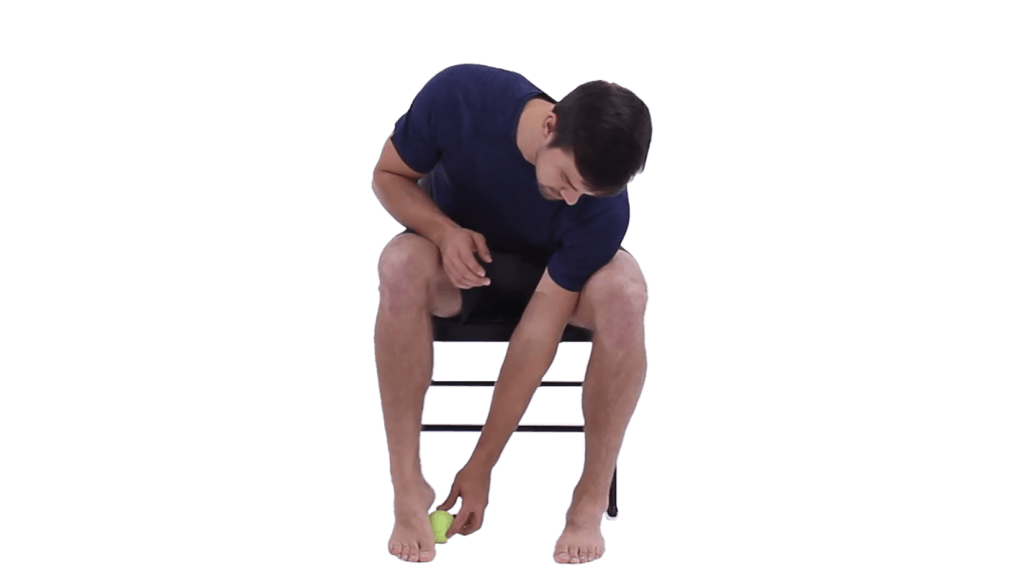
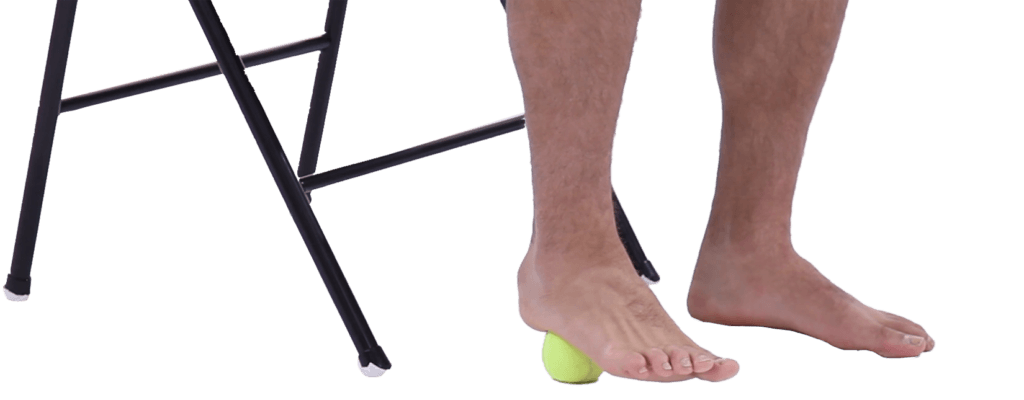
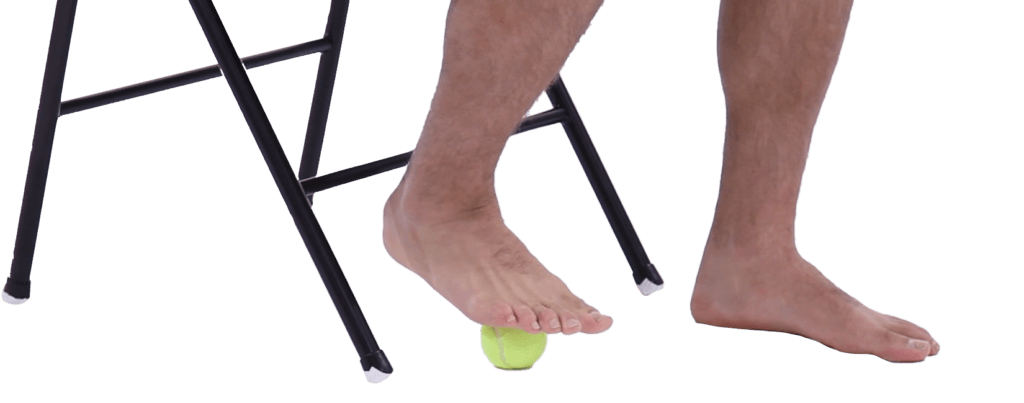
Foot Mobilization (Tennis Ball)
Start by sitting upright in a chair. Place a tennis ball under the foot you want to work just in front of your heel. Slowly roll your foot back so the tennis ball rolls up towards your toes and then roll your foot forwards so the ball goes back towards your heel. Make sure to keep pressure on your foot with the ball throughout the movement.