
Pain While Golfing? Your Thoracic Spine Could Be To Blame
August Newsletter
Do you keep dealing with persistent lower back pain on the golf course? Has your shoulder been bothering you when you swing the golf club? It may sound surprising, but that discomfort might stem from an issue with your thoracic spine (aka your mid-back).
Too often, people assume that the site of their pain is also the site of their problem. In reality, discomfort can develop due to seemingly unrelated impairments in a different area of the body. Fortunately, the team at Kintsugi Physical Therapy & Wellness can assess your whole body to determine what is causing your aches and pains. We can help you figure out the root cause of your condition and give you the tools to resolve it once and for all.
The Thoracic Spine and Its Role in Golf
The thoracic spine connects the cervical spine (above) and the lumbar spine (below). It is the only spinal region attached to the rib cage and protects most of our internal organs.
The thoracic spine plays an essential role in shoulder and lower back function, including proper golf swing mechanics. If you lack rotational motion, the body has to make up for it in other areas, and typically, the lower back or shoulder joints compensate for the limitations.
For example, shoulder impingement is one of the most common injuries associated with golfing. However, the thoracic spine can play a role in developing this injury, since the shoulder blade moves along the thoracic region, influencing the entire shoulder structure. A rounded thoracic spine can negatively affect the shoulder and predispose the golfer to impingement syndrome.
This is one of the major reasons why our physical therapists use a whole-body approach to our assessments and treatments. We can help identify exactly where you have restrictions and weaknesses and, more importantly, how to resolve them so you can swing without fear of pain or injury.

How Our Team Can Help Your Pain and Improve Your Golf Swing
Most people think of golfing as more of a leisure sport than a vigorous activity, but the sheer volume of repetitions needed to swing the golf club makes it much more challenging than you might realize. In addition, the force generated by swinging the club has been measured to be equivalent to the force a football player generates when hitting a tackling sled.
The golf swing is an incredibly complex movement that requires the coordination and timing of the entire body to perform correctly. The interconnectedness of the joints, muscles, and nervous system allows for a beautiful swing and, at the same time, makes us susceptible to pain and injury.
Why? Because a lack of motion in one segment shifts the responsibility to a neighboring segment, forcing compensations that can eventually lead to pain or injury.
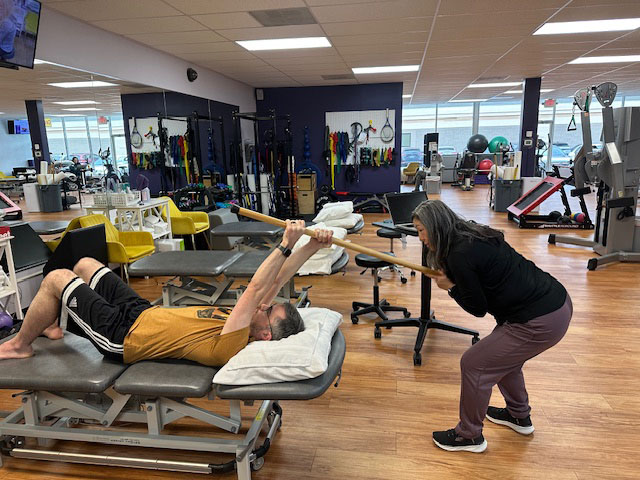
When you visit us for an appointment, we’ll work closely with you to identify any dysfunction in your spine and the surrounding tissue, no matter where it’s located. We’ll then develop a personalized treatment plan to address it directly.
What to Expect During Your Physical Therapy Sessions
Postural & Movement Optimization
- Using manual therapy techniques and hands-on postural correction exercises, we’ll identify and address postural imbalances that may contribute to shoulder, hip, or low back pain.
Targeted Therapeutic Exercises
- We’ll guide you through personalized strength and mobility exercises targeting areas of imbalance and weakness, regardless of where you may be experiencing symptoms.
Neuromuscular Re-Education
- Neuromuscular re-education focuses on restoring how your muscles and brain work together, helping to improve motor control and prevent reinjury.
Golf-Specific Exercises
- We’ll incorporate functional training that mimics real-life golf swing demands, all tailored to your individual needs.
Comprehensive Injury Prevention
We’ll address your current injuries and provide you with long-term strategies for maintaining proper swing mechanics and avoiding future issues.
Request an appointment today!
No matter where you are experiencing pain or injury, our physical therapists use a whole-body approach to assess and treat our patients. We can help alleviate your pain and improve your ability to hit that little white ball!
Call today to schedule a whole-body assessment with one of our specialists!
Sources:
https://www.ncbi.nlm.nih.gov/pmc/articles/PMC8169011
Our New supplement partnership
Feel Better by Fueling Your Body!
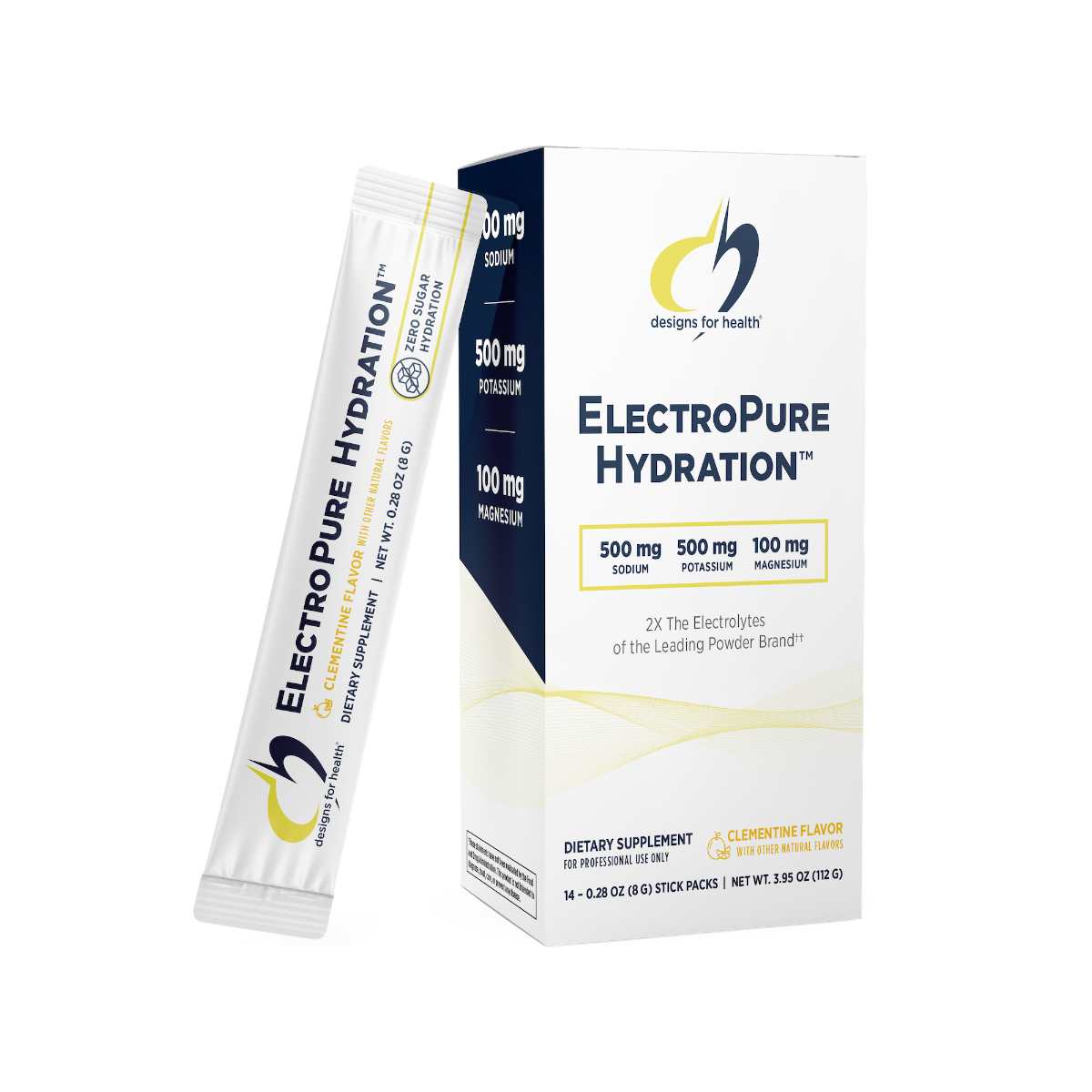
Stay Hydrated This Summer!
Add electrolytes to your water to prevent heat exhaustion and stay optimally hydrated. This is especially important during exercise in the heat! You can check out our favorite electrolyte blend on our supplements page! Our formula is designed to optimize athletic performance and recovery.
Exercise of the Month
STANDING EXTERNAL ROTATION
Anchor a resistance band at elbow height. With your elbow bent at 90 degrees and close to your side, rotate your forearm outward against the band’s resistance. Slowly return to start to strengthen the rotator cuff.