Everything You Need to Know About Ankle Sprains
October Newsletter
A volleyball player coming down hard from a block at the net. A basketball player pivoting quickly in the middle of the court. A ballet dancer rolling through her foot as she lands after a high jump. What do all these movements have in common?
Well, when performed correctly, they’re elegant displays of athleticism. But when something goes wrong, they can also lead to an ankle sprain.
Ankle sprains are among the most common sports injuries, but they can happen to anyone. Even a non-athlete might sprain their ankle if they step awkwardly off a curb! Unfortunately, many people don’t realize how serious ankle sprains can be (which is especially true if you’re an athlete).
Today, the Kintsugi Physical Therapy & Wellness team wants to explore everything you need to know about sprained ankles, including the ways our team can help prevent them from becoming a regular occurrence.
Why You Should Never Ignore an Ankle Sprain
Many see ankle sprains as a minor injury that will heal on its own in a few days. And while it’s true that a sprained ankle is usually less serious than a broken bone or a torn ACL, it’s still essential that you rehabilitate it properly.
The biggest reasons for this? Spraining your ankle once can dramatically increase your risk of spraining it again.
Ankle sprains occur when you roll your ankle too far out of its range of motion and damage the ligaments. If the ligaments don’t heal properly after a sprain, they can make the entire joint unstable, making you more likely to roll your ankle again. You may also develop long-term pain and instability, potentially affecting athletic performance.
How Do I Know if I’ve Sprained My Ankle?
Symptoms can vary depending on how severe the injury is, but common signs include:
- Sudden pain after twisting or rolling the ankle
- Swelling that appears quickly
- Bruising around the joint
- Trouble putting weight on the ankle
- A feeling of instability, like the ankle might “give out”
What to Expect from Ankle Sprain Rehabilitation at Kintsugi Physical Therapy & Wellness
Early Protection and Support
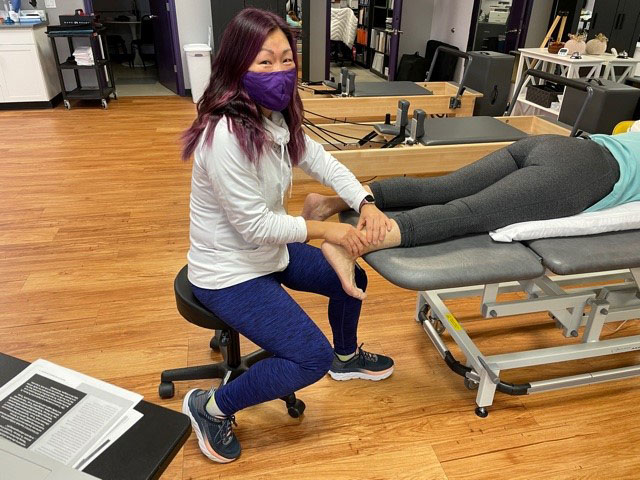
Early on, rest and short-term activity modification can reduce pain and swelling. Braces, wraps, and taping can also help protect the ankle from further damage. Our team will show you how to use these tools to help you maintain your mobility.
Pain Management
We offer several drug-free techniques, such as dry needling or cupping therapy, to reduce pain, calm muscle tension, and restore mobility. We’ll combine these techniques with exercise and education as needed for lasting improvement.
Controlled Movement
The initial step in your rehab will consist of range of motion exercises designed to prevent stiffness, such as ankle circles or work with a resistance band. Our team might also incorporate hands-on or instrument-assisted manual therapy techniques to further ease stiffness and improve circulation.
Progressive Strengthening
As you improve, we’ll incorporate targeted exercises to rebuild strength in the ankle while also addressing the calf, foot, and hip muscles. For patients with higher activity demands, such as athletes or dancers, we design progressive strengthening that matches their performance goals.
Balance and Proprioception Training
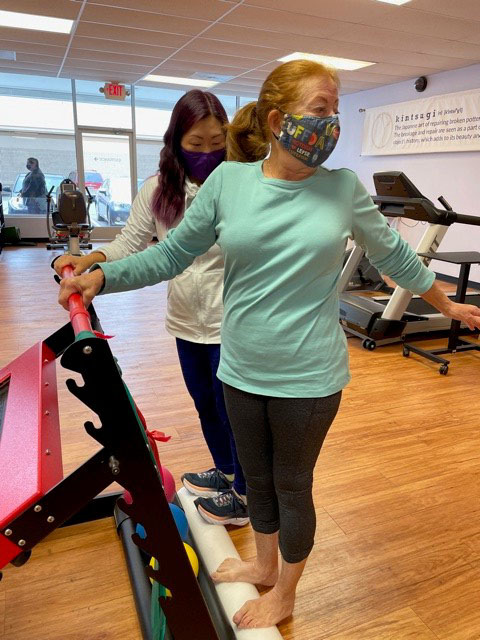
Exercises like standing on one leg, balance board drills, or working with a stability ball help retrain the nervous system to respond quickly to sudden shifts, reducing your risk of future ankle sprains.
Return-to-Activity Programs
We’ll use structured re-entry plans to ensure your safe return to sports or other activities. These programs gradually add jumping, pivoting, and cutting drills so you can rebuild the skills you need for daily life.
Education and Prevention
Preventing ankle sprains is one of the best ways to avoid long-term complications. We can provide guidance on footwear, taping methods, proper warm-up routines, fall prevention strategies, or other tips based on your needs. Our goal is for every patient to leave with practical tools to stay active and ankle-sprain-free.
The Help You Need to Rehabilitate a Sprained Ankle
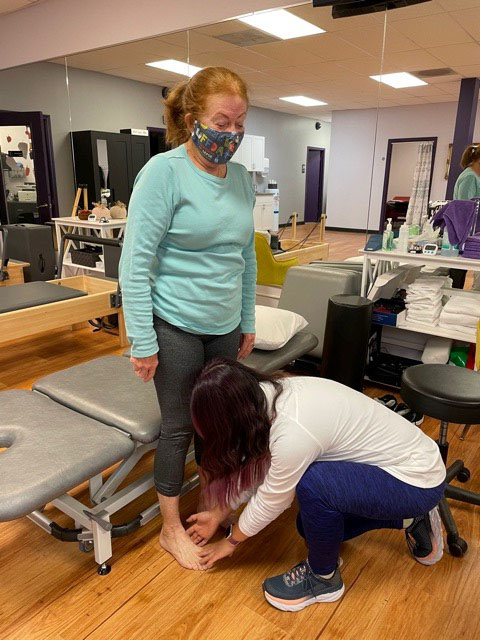
Ankle sprains may be common, but they’re not minor. Left untreated, they can cause repeat injuries, pain, and performance problems.
Fortunately, the Kintsugi Physical Therapy & Wellness team is here to help you restore strength, stability, and function to your ankle. Whether you’re a dancer, a weekend warrior, or just someone who took the stairs too quickly, we’ll help you heal fully and return to the activities you love.

Our New supplement partnership

Supplement spotlight:
Magnesium for Clarity and Less Cramps
Magnesium is an essential mineral that supports healthy muscle and nerve function. Taking it as a supplement may help reduce muscle cramps, ease tension, and promote mental clarity by supporting balanced energy and focus.
Exercise of the Month
Ankle Alphabets
Start by sitting up straight in a chair. Raise one leg out in front of you. Slowly write the letters of the alphabet with your foot, only moving
at your ankle joint. 3 Sets, 10 Reps. (Materials needed: chair)
Don’t let exercise scare you!
Try our Corrective Exercise Program!