Physical Therapy Can Help Frozen Shoulders!
March Newsletter

Do you notice pain and stiffness in your shoulder? Has your shoulder suddenly become very hard to move? You may be experiencing a frozen shoulder and will benefit from having a physical therapist help you resolve your problem.
At Kintsugi Physical Therapy and Wellness, our physical therapists are skilled at alleviating pain and restoring motion so you can get back to doing what you love!
Many different factors can lead to chronic shoulder pain. One of the most painful and debilitating conditions is a frozen shoulder, also known as adhesive capsulitis. Dealing with shoulder pain can make completing daily tasks nearly impossible. Often people sacrifice their quality of life due to the pain and limitations.
Adhesive capsulitis is a condition characterized by stiffness and pain in your shoulder joint. Signs and symptoms typically begin gradually without a specific cause and worsen over time. Physical therapy can help relieve and even eliminate your problem!
If you’re experiencing shoulder pain, contact Kintsugi Physical Therapy and Wellness today. Our physical therapists will be able to do a full assessment, figure out if the source of your pain is a frozen shoulder, and help you get on the road to recovery.
What is a frozen shoulder?
Frozen shoulder is a condition that develops when the tissue in your shoulder joint tightens and restricts movement. It is thought to be caused by inactivity that occurs after injury or alongside another shoulder problem, such as a rotator cuff injury, broken arm, or recovering from surgery.
The exact causes of a frozen shoulder are not fully understood. A few factors that may put you more at risk for developing a frozen shoulder include:
- Diabetes
- Hypothyroidism and hyperthyroidism
- Parkinson’s disease
- Cardiac disease
Most people struggling with frozen shoulders complain of pain, discomfort when moving or using the affected joint, or even a total loss of movement in that shoulder. Adhesions from the shoulder can become stiff or inflamed. Fortunately, physical therapy has been shown to help alleviate pain and mobility losses.
What to expect with physical therapy
At your consultation, one of our physical therapists here at Kintsugi Physical Therapy and Wellness will assess your condition, pinpoint the exact source of your pain, take a look at your medical history, and evaluate your mobility and strength.
There are three stages in the development of frozen shoulders:
Freezing:
Frozen:
Thawing:
It’s pretty standard for patients to see our physical therapists in the freezing stage after they’ve already been experiencing pain for a little over half a year or nine months. At this point, they’re already in a lot of pain and pretty used to not being able to move their shoulders the way they’d like to.
Our comprehensive treatment plan will consist of targeted stretches and specific home exercises to speed up the recovery process and regain your motion, reduce your pain and restore any lost strength.
Physical therapy for frozen shoulders focuses primarily on pain relief, using modalities like ultrasound, e-stim, and lasers. In addition, we take a hands-on approach using targeted manual therapy techniques like soft tissue work and joint mobilizations. Your physical therapist’s ultimate goal is to restore mobility and range of motion to the affected shoulder. The quicker we can address your pain symptoms and range of motion deficits, the sooner you get back to doing what you love!

Introducing PEMF Therapy
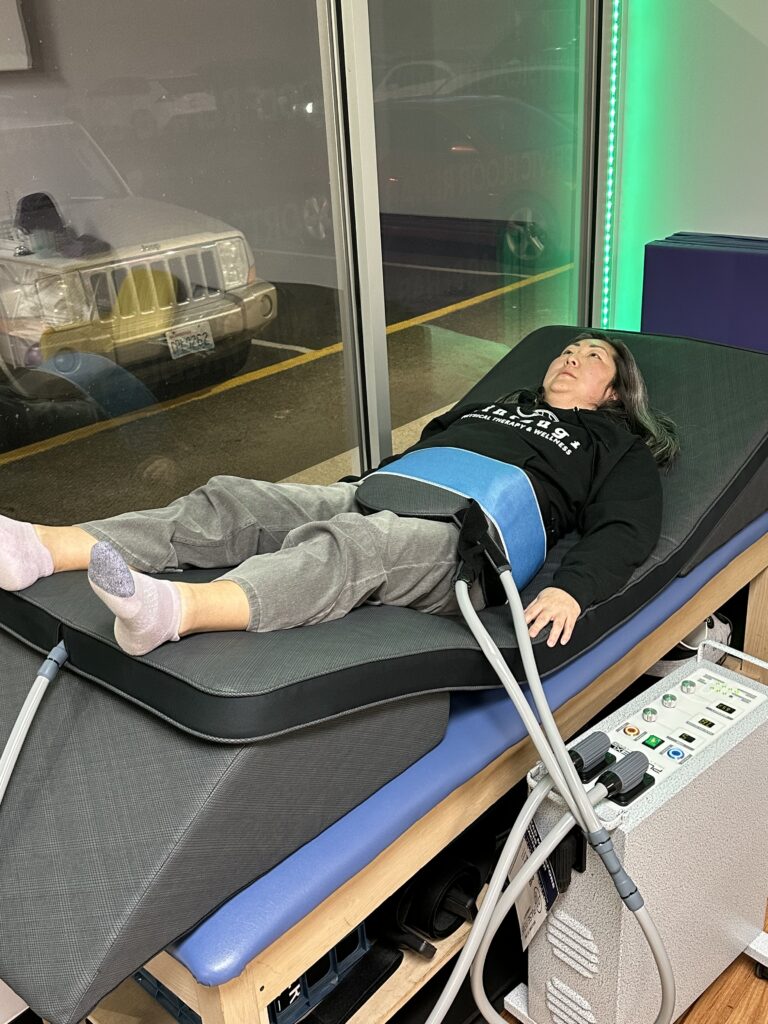
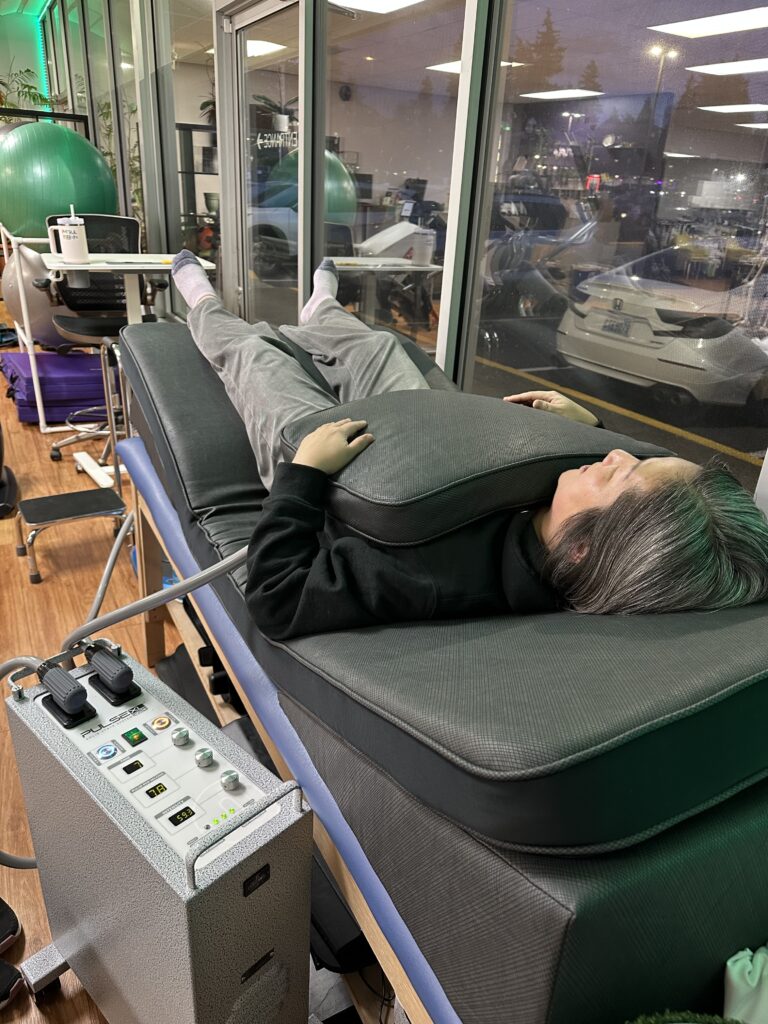
We’ve been looking for a gentle, effective way to support your healing between visits, and we’re excited to share something new we’ve brought into the clinic: PEMF therapy (Pulsed Electromagnetic Field). Many of you know how intentional we are about choosing tools that truly make a difference in your recovery. This one felt like a natural fit.
What is PEMF Therapy?
PEMF therapy uses low‑frequency electromagnetic pulses to support the body’s natural healing processes. It’s comfortable, non‑invasive, and fits seamlessly into the work you’re already doing with us. Think of it as a gentle “boost” that helps calm irritated tissues, reduce inflammation, and create a more responsive environment for recovery.
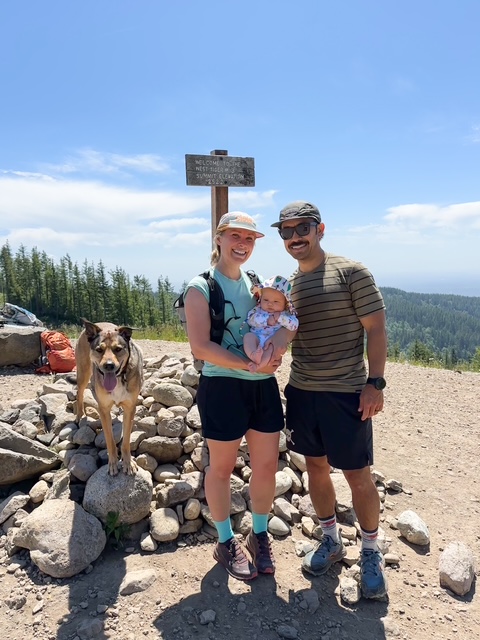
Welcome back Jen!
Welcome back from maternity leave, Jen! We are so happy to have you back in the clinic and are excited to watch your little one grow up. It is an honor to have you as part of the Kintsugi PT family.
Contact Kintsugi Physical Therapy and Wellness today!
If you have been experiencing recurrent or chronic shoulder pain, it is essential to consult with a physical therapist as soon as possible to find out if your problem is a frozen shoulder. Physical therapy is a safe and natural treatment option that can successfully help patients of all ages recover from their shoulder injuries.
Call Kintsugi Physical Therapy and Wellness today to learn more about the benefits of physical therapy for shoulder pain, and begin your journey toward living a pain-free life!
Sources: https://www.koreascience.or.kr/article/JAKO202032265179017.page, https://www.banglajol.info/index.php/BJMS/article/view/51550, https://ijcrr.com/uploads/2754_pdf.pdf
https://www.choosept.com/guide/physical-therapy-guide-carpal-tunnel-syndrome
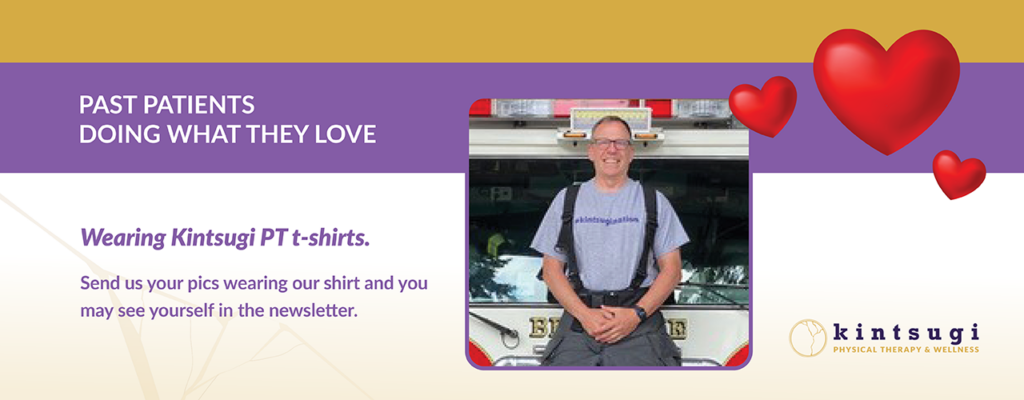
Our New supplement partnership
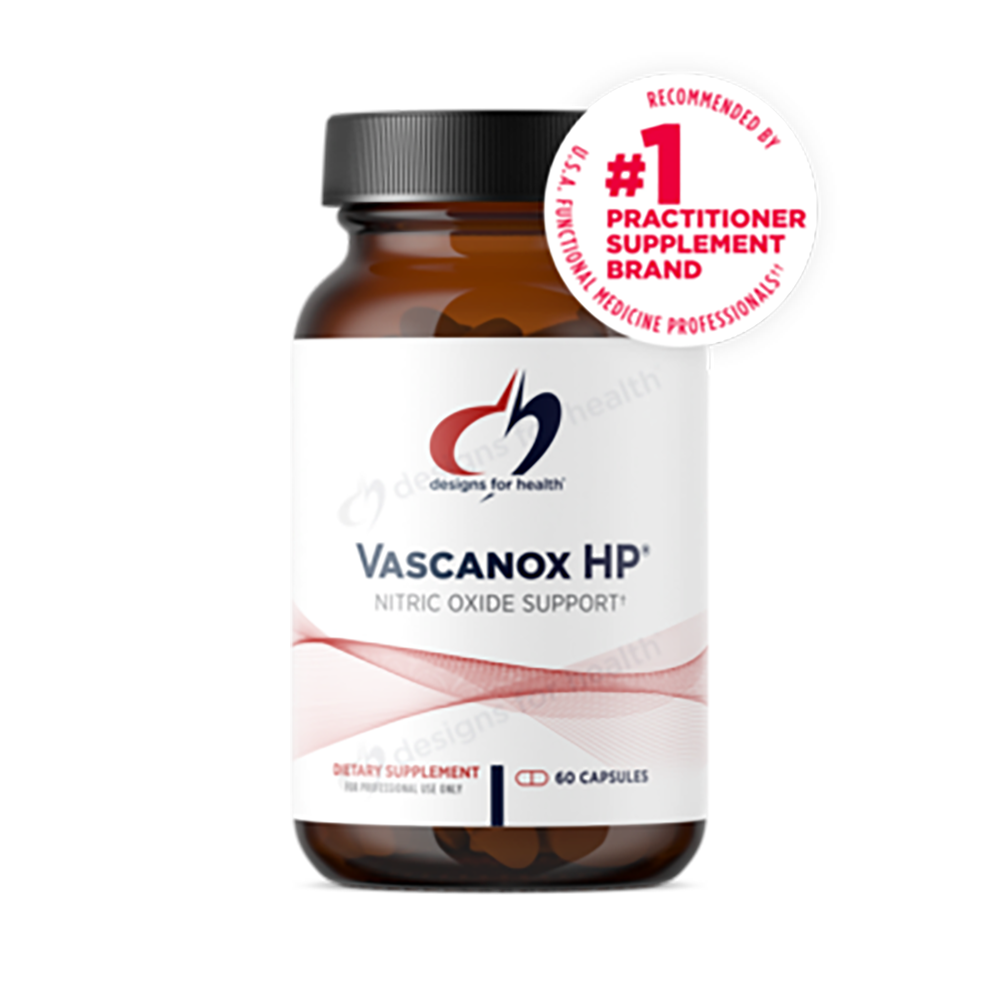
Supplement spotlight:
Vascanox HP
Vascanox HP supports cardiovascular health by promoting healthy nitric oxide production, which helps relax blood vessels and improve circulation. Better blood flow can support heart health, healthy blood pressure already within a normal range, and efficient delivery of oxygen and nutrients throughout the body. Its formulation is designed to provide longer-lasting nitric oxide support, along with antioxidant benefits that help protect vascular function and overall circulation.

Sheet-Pan Roasted Salmon & Vegetables
- 1 pound fingerling potatoes, halved lengthwise
- 2 tablespoons olive oil
- 5 garlic cloves, coarsely chopped
- ½ teaspoon sea salt
- ½ teaspoon freshly ground black pepper
- 4-5 to 6-ounce fresh or frozen skinless salmon fillets
- 2 medium red, yellow and/or orange sweet peppers, cut into rings
- 2 cups cherry tomatoes
- 1 ½ cups chopped fresh parsley (1 bunch)
- ¼ cup pitted kalamata olives, halved
- ¼ cup finely snipped fresh oregano or 1 Tbsp. dried oregano, crushed
- 1 lemon
- Optional: walnuts or seeds
- Roast the Potatoes Place the chopped potatoes in a large bowl. Drizzle with 1 tablespoon of the oil and sprinkle with the garlic, salt, and pepper, then toss to coat. Transfer them to a large rimmed baking sheet. Cover the sheet tightly with foil and roast for 30 minutes.
- Prepare the Vegetables and Fish While the potatoes are in the oven, use the same bowl to combine the sweet peppers, tomatoes, parsley, olives, and oregano. Drizzle with the remaining 1 tablespoon of oil and a pinch of salt and pepper, then toss. Rinse the salmon, pat it dry, and season with salt and pepper.
- Combine and Finish Remove the foil from the baking sheet. Spoon the vegetable mixture over the potatoes and place the salmon fillets on top. Roast everything uncovered for 10 more minutes, or until the salmon flakes easily with a fork.
- Serve Squeeze fresh lemon juice over the salmon and vegetables, then sprinkle with lemon zest. Top with your walnuts or seeds right before serving to keep them crunchy!
Exercise of the Month
Dumbbell Front Raise
(Shoulders)
Stand tall with a dumbbell in each hand, arms resting in front of your thighs and palms facing your body. Keeping your arms straight (but not locked), slowly raise both arms in front of you to shoulder height. Pause briefly, then lower back down with control.
3 Sets, 10 Reps. (Materials needed: dumbbells)
“Saved From Shoulder Surgery“
“I experienced a torn rotator cuff about 2 years ago and it got so bad I was thinking I would need surgery as the pain got to a point where I couldn’t lift anything. I went to see Kintsugi per the recommendation of my sports medicine doctor about 10 months ago. I worked with Jennifer Davis for about 3 months and had to leave out of state for a while, but I continued my routine exercise daily and added a few more exercises that were still causing pain. I’m happy to say after 10 months of exercises I’ve been pain-free for a week now!! It was a slow process for me but I hung in there. Shoutout to Jen! I am playing sports again and learned techniques on preventing future injuries.”
Rick L.