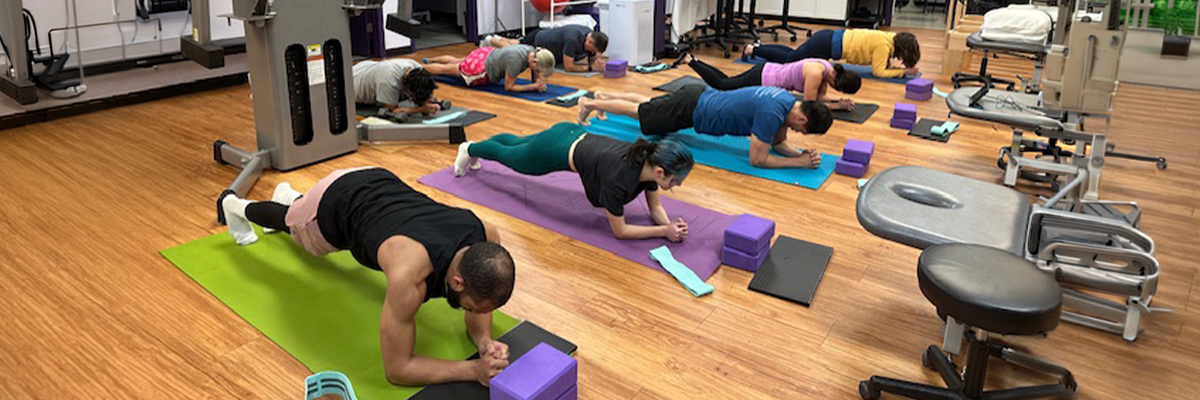
Conquering Ankle and Foot Injuries with Physical Therapy
June Newsletter
Regaining Mobility: Ankle and Foot Injury Recovery and Prevention for All
Injuries to the ankle and foot can strike anyone, regardless of age or activity level. Whether you’re an avid athlete or simply navigating the daily challenges of life, understanding the path to recovery and injury prevention is vital.
Ankle and foot injuries are common, affecting millions of Americans each year. These injuries can result from various causes, including sports activities, accidents, or overuse. Our physical therapists recognize that ankle and foot health are essential for everyone, and we are well-equipped to assist you in your recovery journey. At Kintsugi Physical Therapy and Wellness, our physical therapists specialize in treating ankle and foot issues, offering personalized care for individuals of all backgrounds. Whether you’re a young athlete or an older adult, we are committed to helping you achieve the best possible outcomes!
Unlocking Foot and Ankle Health: Common Injuries and Conditions Treated by Physical Therapists
The foot and ankle are the foundation for our mobility and bear the weight of our daily activities. Unfortunately, they are also susceptible to injuries and painful conditions that can significantly impact our lives. The good news is that our physical therapists are well-equipped to address and treat these issues effectively.
Here are the three most common foot and ankle injuries and painful conditions that physical therapists regularly treat:
- Ankle Sprains: Ankle sprains occur when the ligaments that support the ankle stretch or tear due to sudden twisting or rolling of the foot. This leads to pain, swelling, and instability.
- Plantar Fasciitis: Plantar fasciitis is a painful condition characterized by degenerative breakdown, and in some cases inflammation of the thick band of tissue that runs along the bottom of the foot. It causes heel pain, especially in the morning or after prolonged standing.
- Achilles Tendinitis: Achilles tendinitis involves inflammation of the Achilles tendon, which connects the calf muscles to the heel bone. It can result from overuse, trauma, or improper footwear.
Don’t let foot and ankle pain hinder your mobility and quality of life. Our physical therapists will help you overcome these common conditions and regain comfort and functionality!

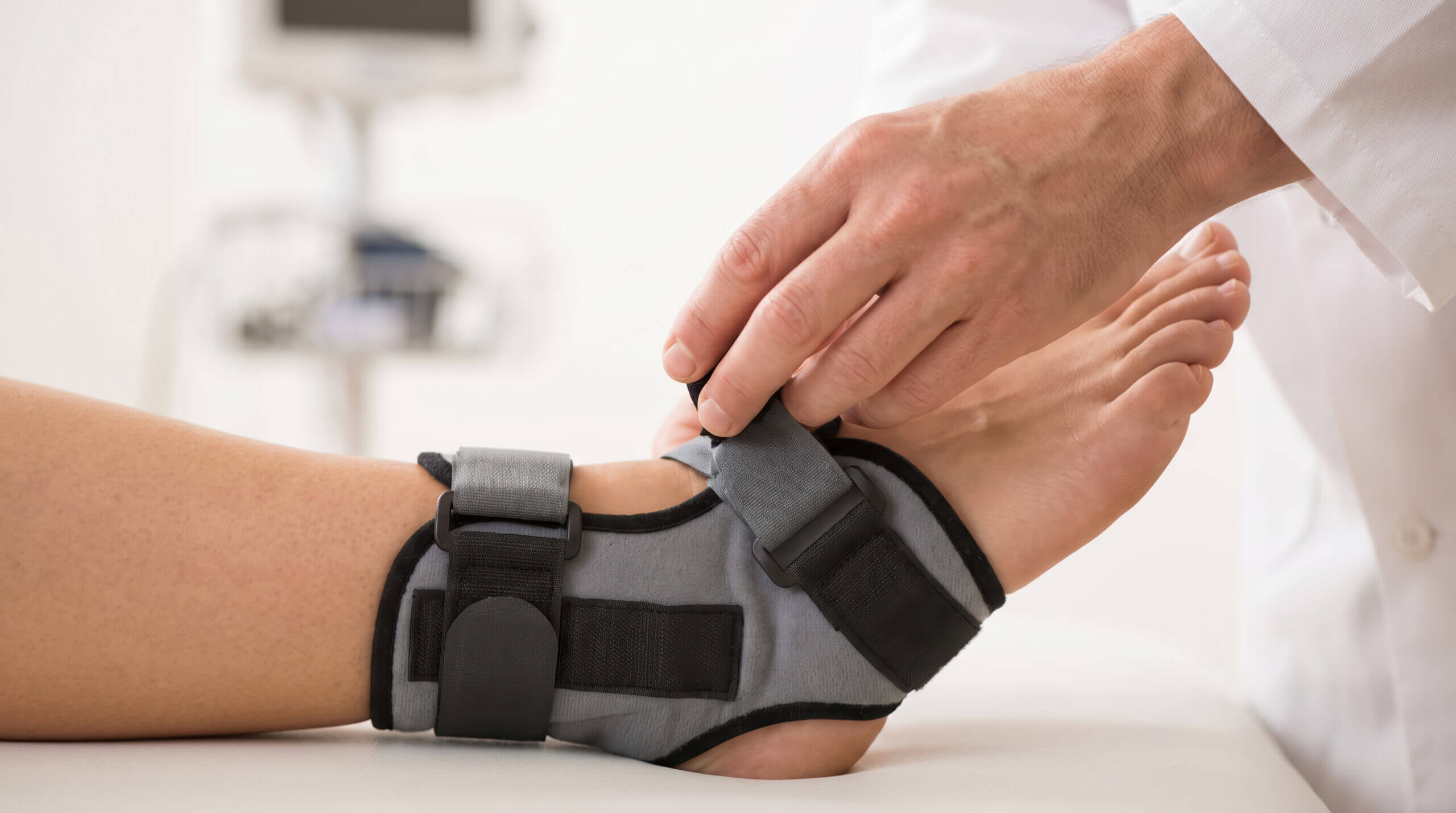
Effective Treatments for Foot and Ankle Injuries
At Kintsugi Physical Therapy and Wellness, we’ll start with a comprehensive assessment that considers your medical history, including your previous activity level and the specific injury to your ankle or foot. This evaluation forms the basis of your personalized treatment plan.
We recognize that each patient is unique, and we develop personalized treatment plans tailored to your individual needs, including the following:
- Manual Therapy and Exercise: Physical therapists often begin treatment with manual therapy techniques that include joint mobilizations and soft tissue mobilizations. These hands-on methods improve joint mobility, reduce pain, and enhance tissue flexibility. We also use tailored exercises to help restore normal function, strengthen muscles, and improve the range of motion in the foot and ankle.
- Balance and Proprioception Training: Balance and proprioception training are essential for foot and ankle rehabilitation. These exercises target the improvement of proprioceptive awareness and stability, crucial for preventing re-injury. Research indicates that balance training programs effectively reduce the risk of ankle sprains, particularly in athletes and those with a history of previous sprains.
- Modalities: In some cases, our physical therapists may use ultrasound, electrical stimulation, and laser therapy to alleviate pain and accelerate tissue healing. These treatments can be particularly beneficial in the early stages of injury recovery.
- Education and Self-Care: Patient education is a cornerstone of foot and ankle rehabilitation. Physical therapists guide self-care, including home exercises and strategies to prevent further injury. Studies show that patient education significantly improves outcomes and reduces the risk of recurring issues.
Whether recovering from a sprain, managing a chronic condition, or aiming to prevent future problems, our programs offer effective solutions to restore mobility, alleviate pain, and enhance overall foot and ankle health.
Schedule a consultation with our experienced physical therapists today to take the first step towards better foot and ankle health!
Sources: https://www.ncbi.nlm.nih.gov/pmc/articles/PMC3103112,https://www.ncbi.nlm.nih.gov/pmc/articles/PMC3103112, https://www.ncbi.nlm.nih.gov/pmc/articles/PMC3132870/
Step Into a Stronger Recovery
Don’t let foot and ankle pain hinder your mobility and quality of life. At Kintsugi Physical Therapy and Wellness, our expert physical therapists design personalized treatment plans to help you overcome injuries and prevent them from returning. From essential balance training to hands-on soft tissue therapy, we will guide you every step of the way. Schedule your comprehensive assessment today and reclaim your active lifestyle!

Make the Most of Your Summer Vacation with Physical Therapy
Whether you’re heading to the beach or hitting up an amusement park, the last thing you want to deal with during your vacation is pain and limited mobility. As you make your summer vacation plans, consider adding one more thing to your checklist: a physical therapy session at Kintsugi Physical Therapy and Wellness.
Our therapists will help ensure your body is ready for whatever adventures you have planned. We’ll…
- Identify any underlying issues that might contribute to pain or restricted movement.
- Develop a customized treatment plan to resolve those issues so you can have a pain-free trip.
- Provide tips and strategies to ensure you don’t suffer pain or impairment while you’re away.
A vacation is a chance to relax and try new things, not suffer through joint pain. We’ll help resolve those issues early so you can focus on what matters: having the time of your life.
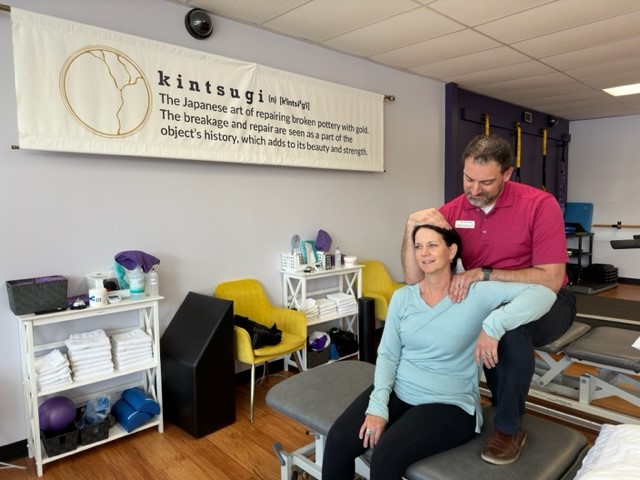
Patient Success Story
“Kintsugi Physical Therapy is a great place to go for all your rehab needs. The staff are very knowledgeable and friendly. I went there for my back and knee seeing mainly Laura and Lori, but some others as well. They get to know you and your needs. From the time you walk in the door until you leave you have their full attention, telling you what they are doing and how the treatment helps you. Teaching you the proper way to do the exercises so you can do them at home and get the best results. This is the best place for your therapy by far.”
Leave Us a ReviewPAST PATIENTS
DOING WHAT THEY LOVE
Wearing Kintsugi PT t-shirts.
Send us your pics wearing our shirt and you may see yourself in the newsletter.



Performance Peptides™
Plant-Based Bioactive Peptides for Muscle Health*
Promotes healthy muscle strength, endurance, recovery, and retention with bioactive peptides.* Supports healthy body composition and aging.*
View Product
Deep-Dish Apple Pie
This deep-dish apple pie is a family favorite and a true classic. With a mountain of gooey cinnamon apples nestled under a perfectly buttery, flaky from-scratch pie crust, it has the perfect balance of sweet and tart flavors.





Ingredients
For the Crust
- 2 cups all-purpose flour
- 1/2 cup shortening
- 1 large egg
- 1/4 cup cold water
- 2 tablespoons white vinegar
For the Filling
- 10 cups sliced peeled tart apples (about 8 medium)
- 1 teaspoon lemon juice
- 1/4 cup sugar
- 1/4 cup packed brown sugar
- 3 tablespoons all-purpose flour
- 1 teaspoon ground cinnamon
- 1/2 teaspoon ground nutmeg
- 1 tablespoon butter
- 1 large egg (for egg wash)
- 1 tablespoon 2% milk (for egg wash)
Instructions
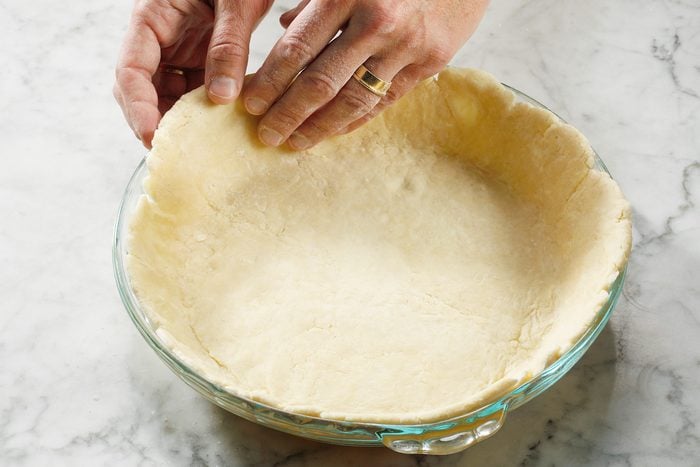
Step 1: Make the pie dough. Place the all-purpose flour in a large bowl. Using a pastry cutter, fork tines, or your fingers, cut in the shortening until the mixture becomes crumbly. In a small bowl, whisk together the egg, cold water, and white vinegar. Gradually add the egg mixture to the crumbly mixture, stirring gently just until the dough comes together.
Step 2: Shape and chill. Shape the pie dough into a rectangle. Wrap it well in storage wrap and refrigerate it for at least 30 minutes or, ideally, overnight. (The longer it chills, the flakier the crust will be!)
Step 3: Mix the filling. Preheat the oven to 375°F. In a large bowl, toss together the sliced apples with the lemon juice. In a small bowl, whisk together the granulated sugar, brown sugar, all-purpose flour, cinnamon, and nutmeg. Add the sugar and spice mixture to the apple mixture and toss everything together until all the apple slices are coated evenly.
Step 4: Add the filling to the dish. Pour the filling into a 13×9-inch baking dish and spread out the apples evenly. Dot the top of the filling with the pats of butter.
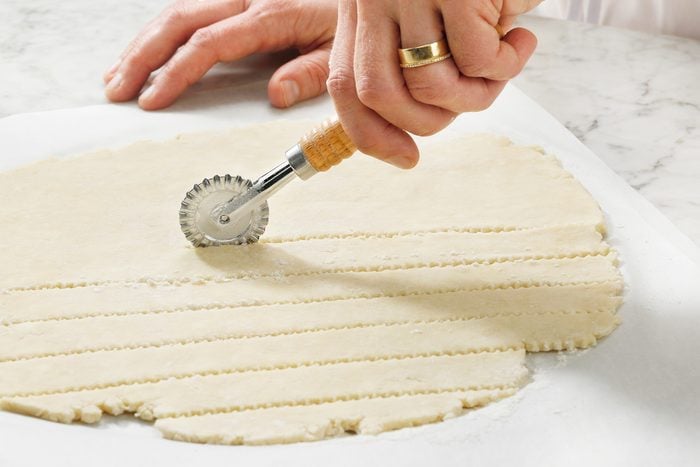
Step 5: Top with the pie crust. On a lightly floured surface, roll out the pie dough big enough to fit over the top of the pie. Place the pie crust over the filling. Trim the pie crust down a bit and flute the edges. In a small bowl, whisk together the egg with the milk to make the egg wash. Brush the egg wash over the crust. Using a paring knife, cut a few slits in the crust to allow steam to escape.
Step 6: Bake the pie. Slide the pie into the oven and bake until the crust is golden brown and the apples are tender, about 40 to 50 minutes. Carefully remove the pie from the oven and allow it to cool at room temperature on a wire rack before serving.

Exercise of the Month
DEAD BUG
(Core, Lower Back)
Lie down on your back with your arms by your sides, your knees bent to 90-degrees, and your feet on the floor. Raise one arm up straight and one knee up towards the ceiling at the same time. Your arm should stay straight and be pointing straight up at the top and your knee should be at 90-degrees and be pointing straight up at the top. 3 Sets, 10 Reps.