Everything You Need to Know About Neurodynamic Treatments
Jonathon (not his real name) had been dealing with some unusual symptoms in his hand and wrist: sharp, burning pain, numbness, and tingling. It felt distinctively different from the usual aches and pains he occasionally developed in his hands, and it didn’t fade after a few days, either.
The reason Jonathon’s pain symptoms seemed so unusual to him was that they stemmed from damage to his nerves rather than his muscles or tendons (which was the reason for his “typical” aches and pains). Specifically, he had developed carpal tunnel syndrome.
When Jonathon first learned his diagnosis, he worried he would need to undergo surgery to address it. Fortunately, however, his condition was still in the early stages, and the team at Kintsugi Physical Therapy & Wellness was able to help him manage his symptoms using physical therapy, including neurodynamic treatments. Jonathon was able to avoid surgery altogether.
Neurodynamic treatments specifically target problems with the nerves by encouraging the nerves to move properly through the body–which, in turn, helps reduce pain and other discomfort.
Today, we want to share a quick guide to neurodynamic treatments, including what conditions they can help manage and some of the techniques we might use when you visit our clinic.
What Conditions Benefit from Neurodynamic Treatments?
Carpal Tunnel Syndrome
Carpal tunnel syndrome occurs when the median nerve in the wrist is compressed, causing numbness and weakness in the hand and most of the fingers (specifically, the thumb, index, middle, and sometimes ring fingers).
Cubital Tunnel Syndrome
This condition is similar to carpal tunnel syndrome but involves pressure on the ulnar nerve, which runs along the inner elbow. It also causes numbness and tingling in the hand, although it typically only affects pinky and ring fingers.
Sciatica
Sciatica develops when something irritates the sciatic nerve root in the lower back. It can be felt as shooting pain, tingling, or numbness down the leg.
Thoracic Outlet Syndrome
Thoracic outlet syndrome occurs when nerves in the shoulder area are compressed, often causing neck, shoulder, and arm pain.
Why Choose Neurodynamic Treatments?
The critical thing to remember about nerve-related conditions is that you’ll experience symptoms along the path of the affected nerve. This is why someone with sciatica will experience numbness or tingling in the feet, even though the occasional source of the nerve damage is in their lower back.
Neurodynamic treatments are effective because they focus on the mobility of the nerves themselves rather than just the surrounding muscles or joints. These techniques help glide the nerves through their natural pathways, which helps to release any restrictions or compressions along the nerve’s route that might be causing your symptoms.
Furthermore, neurodynamic treatments recognize the sensitive nature of the nerves. They allow our physical therapists to introduce movement to the affected area without overstretching or irritating the already-irritated nerve.
As with all of our treatment programs, we tailor our approach to suit your specific needs and symptoms. Our physical therapists will blend different neurodynamic techniques to help you find the relief you deserve.

Five Neurodynamic Techniques to Know
Nerve Gliding
These exercises involve gently moving nerves through their natural pathways without putting too much tension on them, helping to reduce irritation and improve mobility.
Nerve Tensioning
Nerve tensioning involves carefully stretching the nerve to help it adapt to tension, reducing pain and improving range of motion.
Oscillatory Movements
This technique uses small, rhythmic motions to gently mobilize nerves without causing strain. This approach helps make nerves less reactive to pain signals.
Functional Neuromuscular Re-education
Neuromuscular re-education helps to retrain muscles and nerves to work together in a coordinated way, reducing abnormal strain on the nerves and improving body mechanics to prevent future irritation.
Positional Release Therapy
This technique helps your muscles and nerves to relax. We’ll place the affected area in a comfortable position and hold it for a short time to reduce tension in the surrounding tissues, helping to manage acute pain.

Will You Benefit from Neurodynamic Treatments?
If you’re dealing with any of the symptoms of damaged or compressed nerves–including radiating pain, numbness, or tingling–schedule an appointment at Kintsugi Physical Therapy & Wellness! Our physical therapists will assess your symptoms and develop a comprehensive neurodynamic treatment program to help you find relief.
Contact us today to get started!

Our New supplement partnership
Kintsugi Physical Therapy & Wellness is Proud to Offer Products from Design For Health!
Why Kintsugi Physical Therapy & Wellness Recommends Design for Health
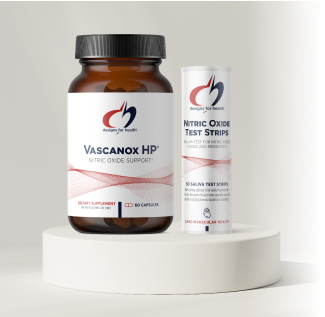
For over 30 years, Designs for Health has been at the forefront of the natural and integrative medicine movement, trusted and utilized by healthcare practitioners worldwide.
They control what goes into their formulas every step of the way. Their manufacturing processes enhance the bioavailability of active ingredients to ensure you benefit from the physiological and biological effects.
With over 320 research-backed nutritional products formulated with quality-tested ingredients, DFH is committed to developing targeted formulas that optimize your health and wellness.
Exercise of the Month
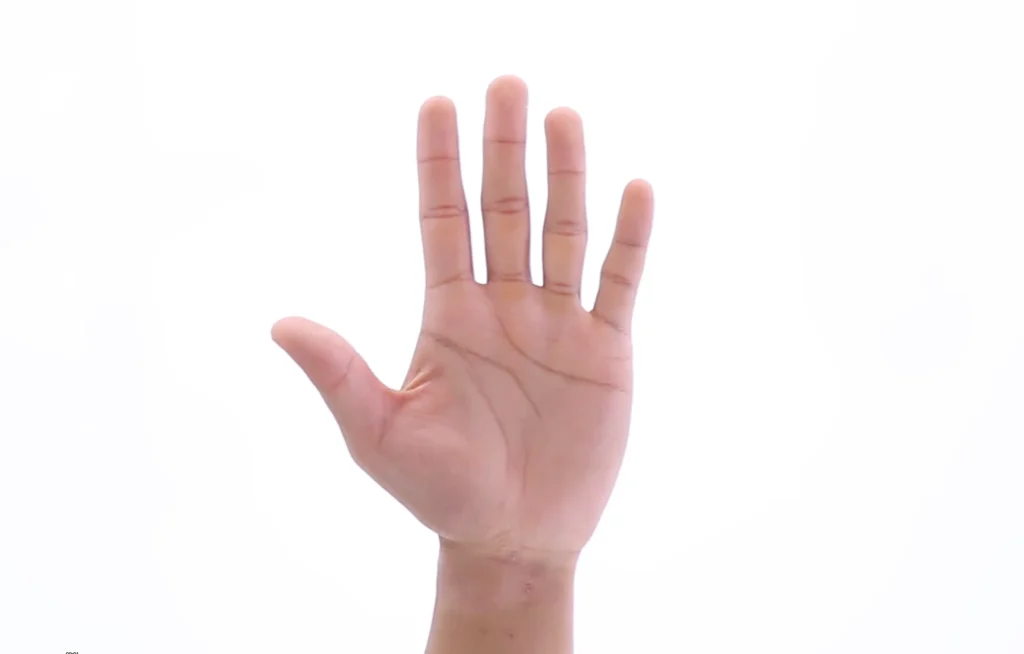
AROM Thumb/Finger Opposition
Touch the tip of your thumb to the tip of your index finger. Open your hand and relax. Repeat by touching each finger to the thumb. Repeat 3 sets, 20 reps each.




Feel Better by Eating Better!
Roasted Root Vegetables
- 12 oz rutabaga, peeled & cut into ¾-inch pieces
- 8 oz celery root, peeled & cut into 1-inch pieces
- 8 oz peeled baby carrots
- 8 oz fingerling potatoes
- 3 medium parsnips, peeled & cut into 1-inch-thick slices
- 1 medium fennel bulb, cored & cut into thin wedges
- 2 shallots, peeled & cut into thin wedges
- 2 tbsp olive oil
- ½ tsp salt
- ½ tsp ground pepper
Preheat oven to 325°F. Combine rutabaga, celery root, baby carrots, fingerling potatoes, parsnips, fennel, and shallots in a shallow roasting pan. Add oil, salt, and pepper; toss to coat. Bake, uncovered, for 1 hour, stirring occasionally. Increase oven temperature to 425°F. Bake, uncovered, about 10 minutes more or until the vegetables are tender and lightly browned.