Stop Achilles tendinitis Before It Starts
May Newsletter
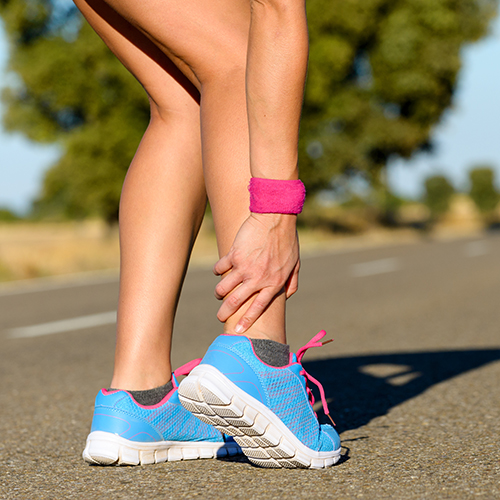
We recently worked with a patient who came to us with a pretty major concern: persistent pain in the back of her lower leg by her heel anytime she walked or jogged. This patient was an avid runner, so you can understand why she was worried!
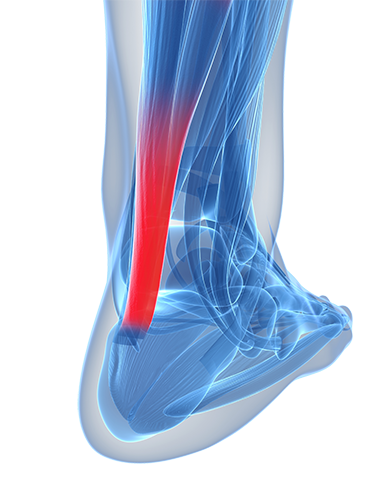
Fortunately, we were able to pinpoint the problem without trouble. This patient had developed Achilles tendinitis, a common condition that affects the large tendon connecting your calf muscles to the heel bone.
It often shows up in people who walk, run, or play sports regularly, like the patient above, but it can happen to anyone. If left untreated, it can bloom into a more significant problem — but fortunately, physical therapy is an effective treatment option.
Today, the Kintsugi Physical Therapy team wants to share more about Achilles tendinitis, including some innovative — and non-invasive — techniques we offer to help you find relief.
How To Know If It’s Achilles Tendinitis
Achilles tendinitis occurs when the tendon that runs along the back of your lower leg becomes irritated from overuse or strain. Repetitive stress on this tendon—especially without enough rest or recovery — can cause swelling, stiffness, and pain.
Like most overuse injuries, Achilles tendinitis usually develops gradually, and many people ignore their discomfort, hoping it will go away on its own. Unfortunately, this often isn’t the case, so it’s much better to seek care for Achilles tendinitis as soon as you notice symptoms.
Watch for These Early Signs
- Dull ache or stiffness in the back of the ankle
- Morning stiffness that improves as the day goes on
- Pain that worsens with walking, running, or climbing stairs
- Tenderness near the heel
More Advanced Symptoms
These symptoms can develop if you don’t seek treatment. Definitely give us a call if you notice any of them:
- Limited range of motion in your ankle
- Warmth or redness in the area
- A noticeable thickening of the tendon
- Swelling or warmth in the heel
How We’ll Help You Manage Achilles Tendinitis
Physical therapy is one of the most effective ways to treat Achilles tendinitis. It targets the root causes — such as poor mobility, weak calf muscles, or poor biomechanics — to ensure your tendon heals correctly.
Our team will work with you to develop a personalized care plan that supports tendon healing and overall function. Here’s a closer look at what we may include in your care plan:
- Manual therapy to address joint stiffness or alignment issues
- Stretching exercises to relieve tight calf muscles
- Strength training for the muscles around the ankle and in the foot and leg
- Eccentric loading exercises, which help tendons heal by slowly lengthening under tension
- Neuromuscular re-education, which improves movement patterns and control
- Gait analysis and retraining if walking or running mechanics are contributing to the problem
Taking Things a Step Further
We also offer several unique options that can really elevate your treatment, including the following:
Dry Needling
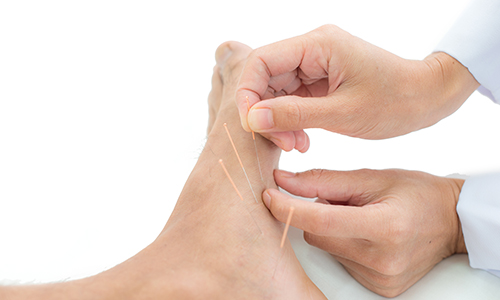
Dry needling uses thin, sterile needles to release tight or irritated muscle tissue. For Achilles tendinitis, this technique helps reduce tension in the calf muscles, increases blood flow, and supports tissue repair. Most people notice reduced pain and improved mobility after a few sessions, making it easier for them to perform their prescribed exercises.
The Graston Technique
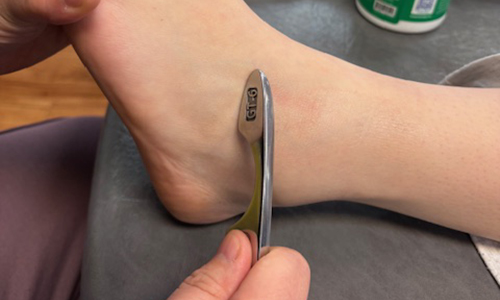
The Graston Technique is a form of instrument-assisted soft tissue mobilization. It uses specialized stainless-steel tools to gently break down scar tissue and fascial restrictions in the tendon and surrounding muscles. This helps stimulate the healing response and restore normal movement patterns.
ASTYM
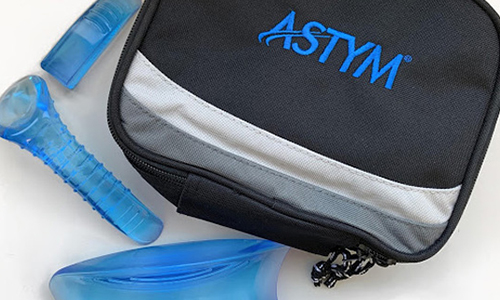
ASTYM therapy also uses tools to treat soft tissue, but it focuses more on encouraging regeneration at a cellular level. This method improves tissue remodeling, promotes healing, and helps restore function without relying on medications or surgery.

Support That Matches Your Healing Process
At Kintsugi Physical Therapy, our whole-body approach to physical therapy means we understand how interconnected your body is. Achilles tendinitis often has its roots in biomechanical issues or muscular imbalances, so we take the time to listen to your concerns, assess your entire body, and find the treatments that will work best for you.
You don’t need to live with ankle and heel pain. Our compassionate team is here to help — so schedule an appointment with us today to get started.

Our New supplement partnership
Kintsugi Physical Therapy & Wellness is Proud to Offer Products from Design For Health!
Why Kintsugi Physical Therapy & Wellness Recommends Design for Health

For over 30 years, Designs for Health has been at the forefront of the natural and integrative medicine movement, trusted and utilized by healthcare practitioners worldwide.
They control what goes into their formulas every step of the way. Their manufacturing processes enhance the bioavailability of active ingredients to ensure you benefit from the physiological and biological effects.
With over 320 research-backed nutritional products formulated with quality-tested ingredients, DFH is committed to developing targeted formulas that optimize your health and wellness.
The 3 Most Important Things to Know About Your Running Shoes
1. Break in Period
If you’re trying on shoes that feel heavy, stiff, clunky or not just right they likely are the wrong shoes for you. The right pair will feel comfortable as soon as you put them on: light weight, cushioned, and balanced.
2. Level
If you feel your arches “tipping in” or “pushed out”, then the support is wrong for you. Too much support will restrict your foot and give the feeling you’re tipped out. Too little support may feel like your foot is caving in and give the tipped in feeling. The proper pair will feel balanced and level.
3. Size
Running shoes should have ample toe room, but secure from the ball of the foot to the heel. Your feet will splay out over time and it’s not uncommon to go up in size. Running shoes won’t break in, so they need to feel like they fit the second you put them on.
Looking to improve your run, prepare for sports, or just get stronger, healthier and more active?
Our physical therapists can help you get started on a safe and effective fitness plan tailored to your needs and goals. Call today for an appointment and become the best you can be.


Feel Better by Eating Better!
Sheet-Pan Chipotle-Lime Shrimp Bake
Looking for a flavorful, no-fuss dinner packed with zesty spice and wholesome ingredients? This Sheet-Pan Chipotle-Lime Shrimp Bake is the perfect weeknight meal! Roasted baby red potatoes create a hearty base, while asparagus, Broccolini, and succulent shrimp are infused with a smoky chipotle-lime butter for a deliciously bold kick.
Preheat oven to 400°. Place potatoes in a greased 15x10x1-in. baking pan; drizzle with olive oil. Sprinkle with 1/4 teaspoon sea salt; stir to combine. Bake for 30 minutes. Meanwhile, squeeze 1/3 cup juice from limes, reserving fruit. Combine the lime juice, melted butter, chipotle and remaining 1/2 teaspoon sea salt.
Remove pan from the oven; stir potatoes. Arrange asparagus, Broccolini, shrimp and reserved limes on top of potatoes. Pour lime juice mixture over vegetables and shrimp.
Bake until shrimp turn pink and vegetables are tender, about 10 minutes longer. Sprinkle with minced fresh cilantro.
www.tasteofhome.com/recipes/sheet-pan-chipotle-lime-shrimp-bake/
Ingredients
- 1-1/2 pounds baby red potatoes, cut into 3/4-inch cubes
- 1 tablespoon extra virgin olive oil
- 3/4 teaspoon sea salt, divided
- 3 medium limes
- 1/4 cup unsalted butter, melted
- 1 teaspoon ground chipotle pepper
- 1/2 pound fresh asparagus, trimmed
- 1/2 pound Broccolini or broccoli, cut into small florets
- 1 pound uncooked shrimp (16-20 per pound), peeled and deveined
- 2 tablespoons minced fresh cilantro
Exercise of the Month
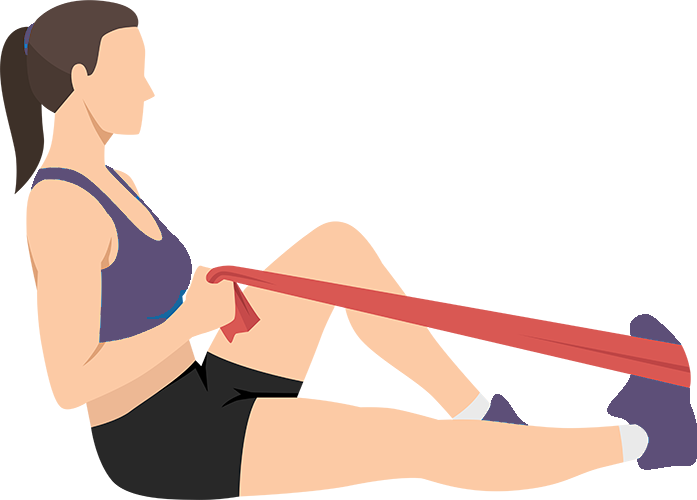
Seated Calf Stretch (Belt)
Start by sitting on the ground with both feet out in front of you. Wrap a belt around the sole of the foot you want to stretch. Grab the belt with both hands and slowly pull to stretch your calf. Hold as directed. Repeat as directed by your provider.