What’s Causing My Wrist Pain — And How Can Physical Therapy Help?
September Newsletter
Do you ever struggle to perform a plank or push-up, not because of general weakness, but because of wrist pain? Or have you struggled with holding a heavy grocery bag or water pitcher? Dysfunction in your wrist can be tough to live with, but fortunately, Kintsugi Physical Therapy & Wellness is here to help!
Wrist pain can have several potential causes. Three major nerves run through the arm and can become entrapped, leading to numbness, tingling, and pain. You can also injure muscles, tendons, ligaments, or the wrist joints themselves, which can cause mobility restrictions and pain in the impacted area. In some cases, the problem may even begin farther up the arm. Weakness in the shoulder muscles can place added strain on your wrist and elbow, leading to overuse or irritation over time.
Our team of physical therapists will help you get to the bottom of your wrist pain — and we’ll help you find a way to resolve that pain for good. Call us to schedule an appointment and get started today!

A Closer Look at the Causes of Wrist Pain
When you come in for your appointment, the first thing we’ll do is carefully review your symptoms and run a few simple movement screens to help pinpoint the cause of your pain.
Overuse injuries are one of the more common causes of wrist pain. They stem from repetitive movements or awkward postures that strain the joint’s soft tissue, leading to a gradual onset of symptoms.
In some cases, wrist pain may also be linked to weakness or dysfunction in the shoulder. The shoulder muscles, especially the rotator cuff, help stabilize the arm during gripping and pushing movements. When these muscles are weak, it can cause compensation patterns that increase stress on the elbow and wrist, potentially contributing to overuse injuries or discomfort in those joints.
You can also suffer acute injuries in the wrist. These injuries happen suddenly rather than over time. Wrist sprains, in which the ligaments in the wrist suffer damage, are among the most common. You can also fracture the bones in your wrist and elbow, which will typically require medical intervention and rehabilitation with one of our physical therapists afterward.
Finally, arthritis can affect wrists, leading to pain and a restricted range of motion.

What Physical Therapy Can Do to Help Ease Your Wrist Pain
Once our therapist has determined the source of your pain, we’ll develop a customized treatment program to help you find relief. The good news is that physical therapy alone can resolve most common sources of wrist pain. Here are a few of the techniques we might incorporate into your program:
- Manual Therapy: Manual therapy techniques help reduce pain and restore mobility restrictions. We might guide the joint through its current range of motion, manipulate your soft tissue, or try other techniques.
- Therapeutic Exercises: We’ll create a targeted, progressive exercise program to ease your symptoms. We’ll start with gentle stretches and mobility work, then move on to strengthening exercises to help support and stabilize the impacted joint.
- Braces and Splints: Some conditions might benefit from a brace or splint, which temporarily immobilizes the joint as you work on treatment. We’ll let you know if it’s a good choice and help you find the right device to suit your needs.
- Injury Prevention: We’ll let you know what you can do to prevent future injuries. We might show you ergonomic adjustments to reduce the impact of repetitive movements, postural corrections to minimize strain on your wrist or elbow, or other strategies.
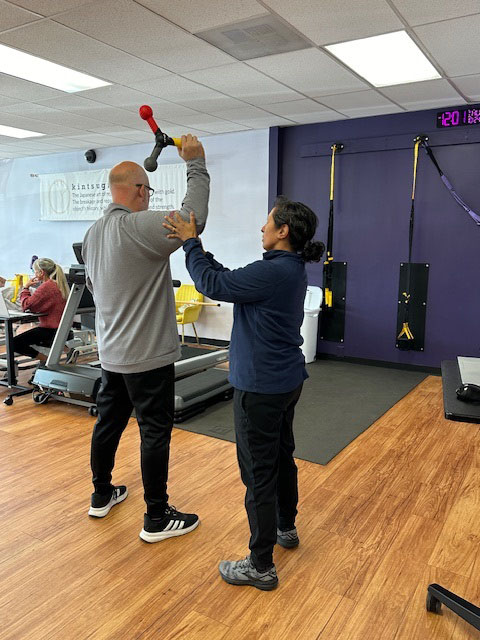
In addition to targeting your wrist, we may include exercises to strengthen your shoulder and upper back, as improving shoulder strength and stability can reduce the strain on your forearm and wrist during daily tasks. Shoulder activation plays a key role in effective grip mechanics and may help prevent symptoms from recurring.
Let’s Get to the Root of Your Wrist Pain!
Wrist pain doesn’t always start at the source of discomfort. Sometimes, the problem begins further up the arm. Shoulder weakness can alter your arm’s movement patterns, forcing the smaller joints to absorb more stress.
That’s why our evaluations and treatment plans at Kintsugi Physical Therapy & Wellness consider your entire upper limb, not just the painful area. This full-arm approach helps us identify hidden contributors and ensure a lasting recovery.

Our New supplement partnership
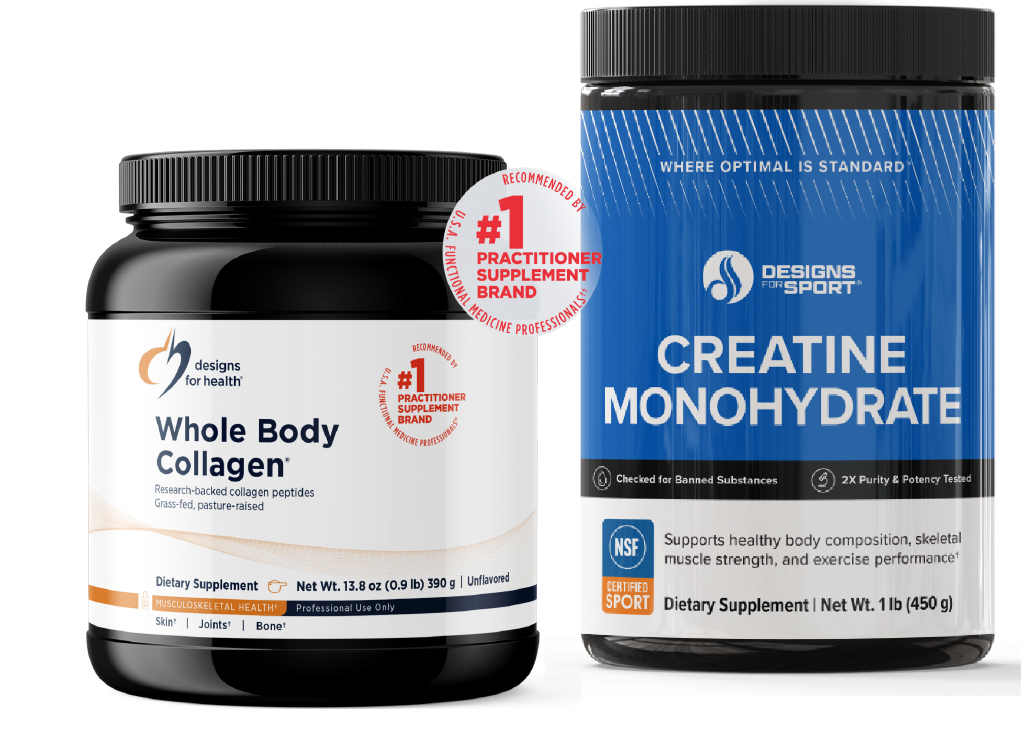
Supplement spotlight:
Creatine and Collagen
Supplement spotlight: creatine and collagen to help avoid muscle loss, especially helpful for those going through menopause.
Exercise of the Month
Modified Push Up
(Chest, Arms, Core)
Start in a kneeling position with your hands placed slightly wider than shoulder-width apart on the floor. Walk your hands forward and shift your weight so your body forms a straight line from your knees to your head. Lower your chest toward the floor by bending your elbows, keeping your core engaged. Push back up to the starting position. 3 Sets, 10 Reps. (Materials needed: floor mat)