When a Pain in the Neck Becomes a Pain in the Arm, Head, or Hand
Most of us have experienced a crick in the neck at some point. But have you ever experienced sharp, shooting pain that radiates out of your neck and down your arm? Or maybe you don’t experience pain in your neck at all – but you have been dealing with persistent headaches.
It might surprise you to learn that, in some cases, headaches and shooting arm pain can both stem from the same underlying cause: an issue with a nerve in your cervical spine (aka your neck).
Officially known as cervical radiculopathy, this condition develops when one of the nerve roots in your neck becomes compressed. This compression may not necessarily cause neck pain but can cause several symptoms along the path of the affected nerve. In some cases, it can cause referred pain that manifests as a headache.
The good news is that the team at Kintsugi Physical Therapy & Wellness can help identify cervical radiculopathy and address it directly, ensuring you find lasting relief. If you’d like to get started, call us to schedule an appointment – and keep reading to learn more!
What Causes Cervical Radiculopathy?
We already know that cervical radiculopathy develops due to an irritated or compressed nerve root. But what causes that compression in the first place?
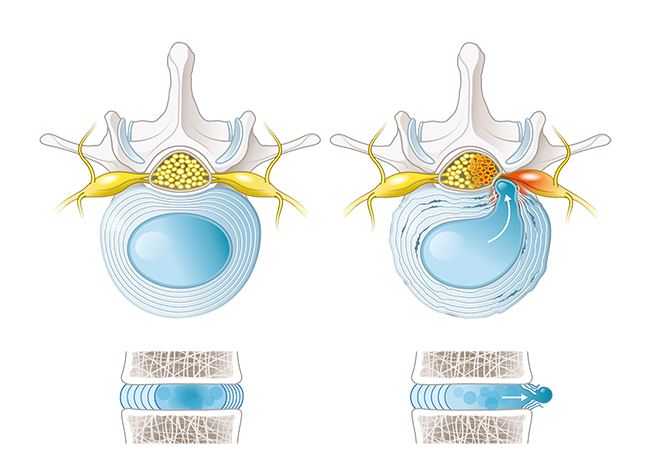
The number one culprit is age-related disc degeneration. Your intervertebral discs are small, cushiony structures that nestle between the bones of your spinal vertebra, helping to protect them from grinding against each other. As we get older, those discs start to dry out and lose flexibility, putting them at risk of herniation.
Herniation occurs when the discs bulge (or, in some cases, rupture). If that herniation presses on a nearby nerve root, you’ll wind up with the symptoms of cervical radiculopathy. However, those symptoms can vary based on which nerve root is affected.
What are the Signs of Cervical Radiculopathy?
Cervical radiculopathy generally causes symptoms throughout your upper body. Here’s what to look out for:
- Weakness in the arm, shoulder, or hand
- Sharp, radiating pain in the neck, shoulders, shoulder blade, upper chest, arms, hands, or fingers
- Pain that worsens with certain head movements
- Numbness, tingling, or pins and needles sensations in any of the affected areas
What About Radiculopathy-Related Headaches?
As mentioned above, sometimes a compressed nerve in the neck can cause referred pain to the head. Headaches that stem from neck issues are relatively common; collectively, they’re known as cervicogenic headaches, although not all cervicogenic headaches are necessarily caused by nerve issues.
Signs of a cervicogenic headache include the following:
- Headache pain that starts at the base of the neck and travels into your head, often behind one eye
- Pain that only affects one side of your head
- Steady, non-throbbing headache pain
The best way to determine the cause of your pain – whether in your neck, shoulders, arm, or head – is to schedule an appointment with Kintsugi Physical Therapy & Wellness. Our team will review your symptoms and perform a comprehensive assessment to determine the underlying cause of your discomfort. Then, we can create an appropriate treatment program.
Techniques We Use to Address Cervical Radiculopathy
Neurodynamic Treatments
Because cervical radiculopathy is a nerve-related issue, we’ll often utilize neurodynamic treatment options to address your symptoms. Neurodynamic treatments involve mobilizing your nerves (which move independently from other tissue) through nerve gliding, positioning, or nerve flossing techniques. These techniques help release entrapped nerves, reducing your symptoms.
Therapeutic Exercise
Improving the strength and mobility of your neck is also essential in addressing cervical radiculopathy. A strong neck and upper back provide additional support to the cervical spine, improve posture, and help relieve pressure on the nerve root. We’ll show you customized exercises that fit your needs.
Postural Training
Improving the alignment of your cervical spine can help resolve and prevent cervical radiculopathy symptoms. We’ll assess your current posture and offer personalized corrections to ensure you maintain alignment throughout your day–whether sitting, standing, or moving around.

Say Goodbye to Radiating Neck Pain
The first step to addressing your discomfort is understanding what’s causing it. Schedule an initial appointment with Kintsugi Physical Therapy & Wellness today to get started!

Exercise of the Month
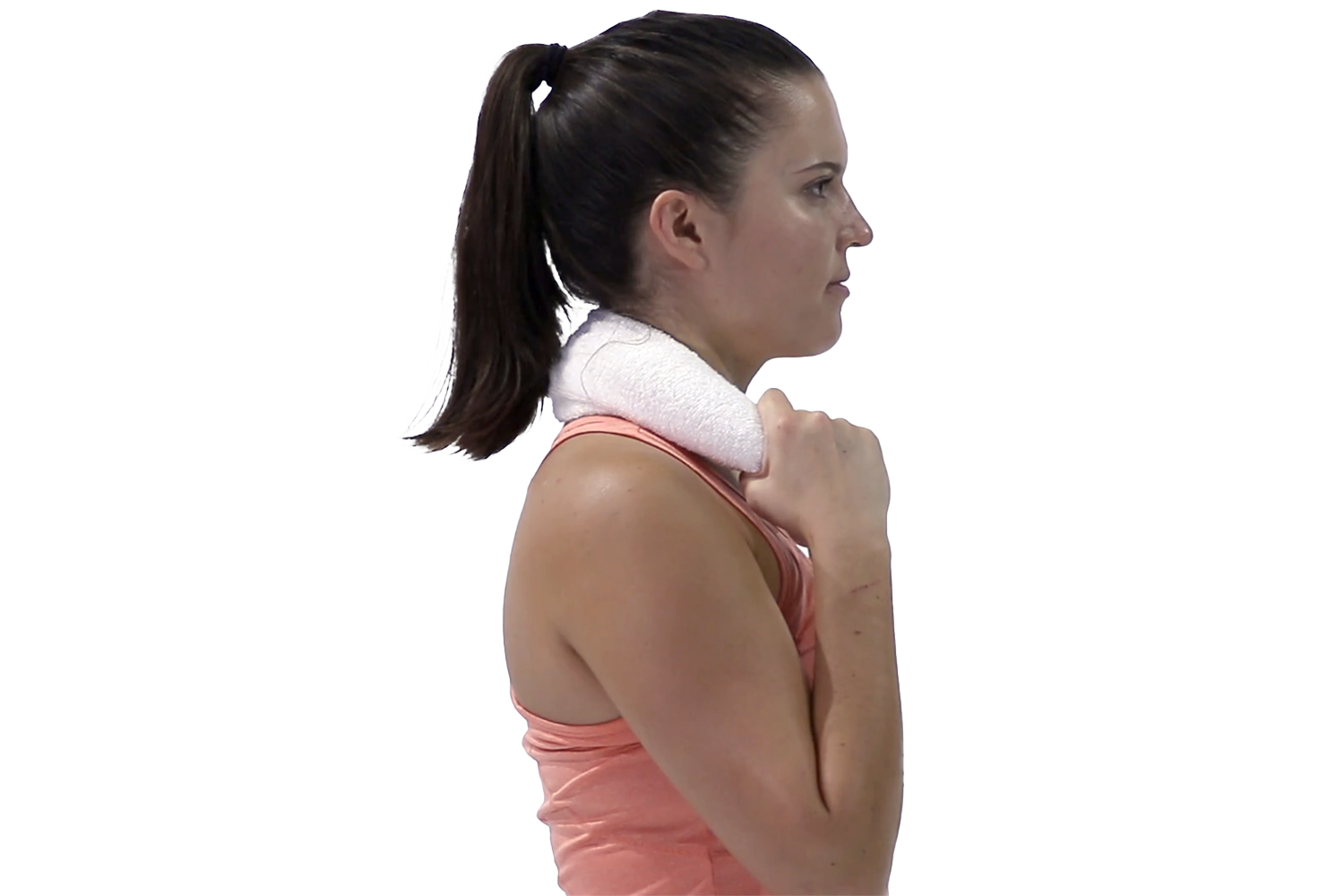
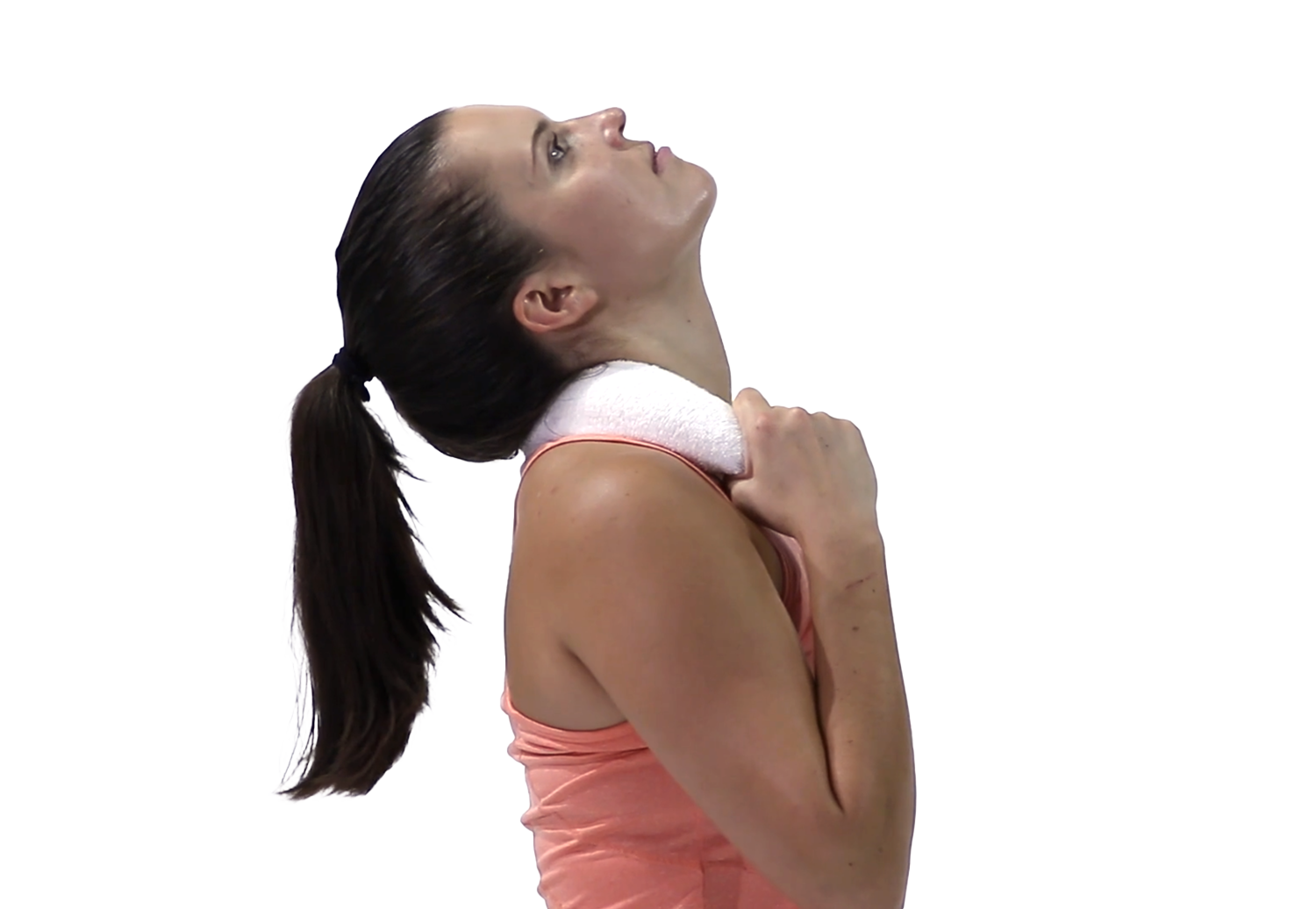
Cervical Retraction and Extension With Towel
Start by standing up straight. Wrap a towel around the back of your head and hold the ends with both hands in front of you. Tuck your chin, pushing your head back into the towel and then raise your chin up towards the ceiling against the towel. Return to start. Repeat 3 sets, 10 reps each.

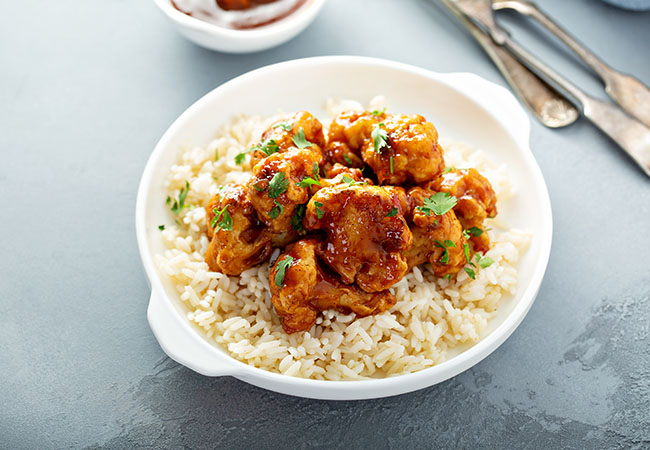
Feel Better by Eating Better!
Sweet & Sour Cauliflower
Easy and healthy Baked Sweet & Sour Cauliflower is a delicious twist on classic sweet & sour chicken or pork and it’s baked instead of fried. You won’t miss meat in this lightened up classic!
Directions:
Preheat oven to 425 degrees. Toss cauliflower and oil in a ziplock bag. Add corn starch and toss to coat again. Transfer cauliflower to a greased baking sheet. Bake for 15-20 min until cauliflower starts to brown on the bottom. Switch oven to broil and cook on high for 3-4 minutes just until tops start to brown. Combine sugar, vinegar, soy sauce, garlic powder, onion salt, and ketchup in a medium sauce pan. Stir and bring to a boil. Whisk together corn starch and cold water in a small bowl until dissolved. Add to pan and stir until thickened, then reduce to low heat. Combine roasted cauliflower and sauce. Serve with steamed rice and top with sliced green onions.
Recipe: www.lecremedelacrumb.com/baked-sweet-sour-cauliflower
Ingredients
- 5-6 cups cauliflower florets
- 3 tbsp vegetable oil
- 1/3 cup corn starch
- 3-4 cups steamed rice, for serving
- Thinly sliced green onions for garnish
- 3/4 cup sugar
- 2 tbsp soy sauce
- 1/2 cup apple cider vinegar
- 1 tsp garlic powder
- 1/2 tsp onion salt
- 1/4 cup ketchup
- 1 tbsp cornstarch
- 2 tbsp cold water