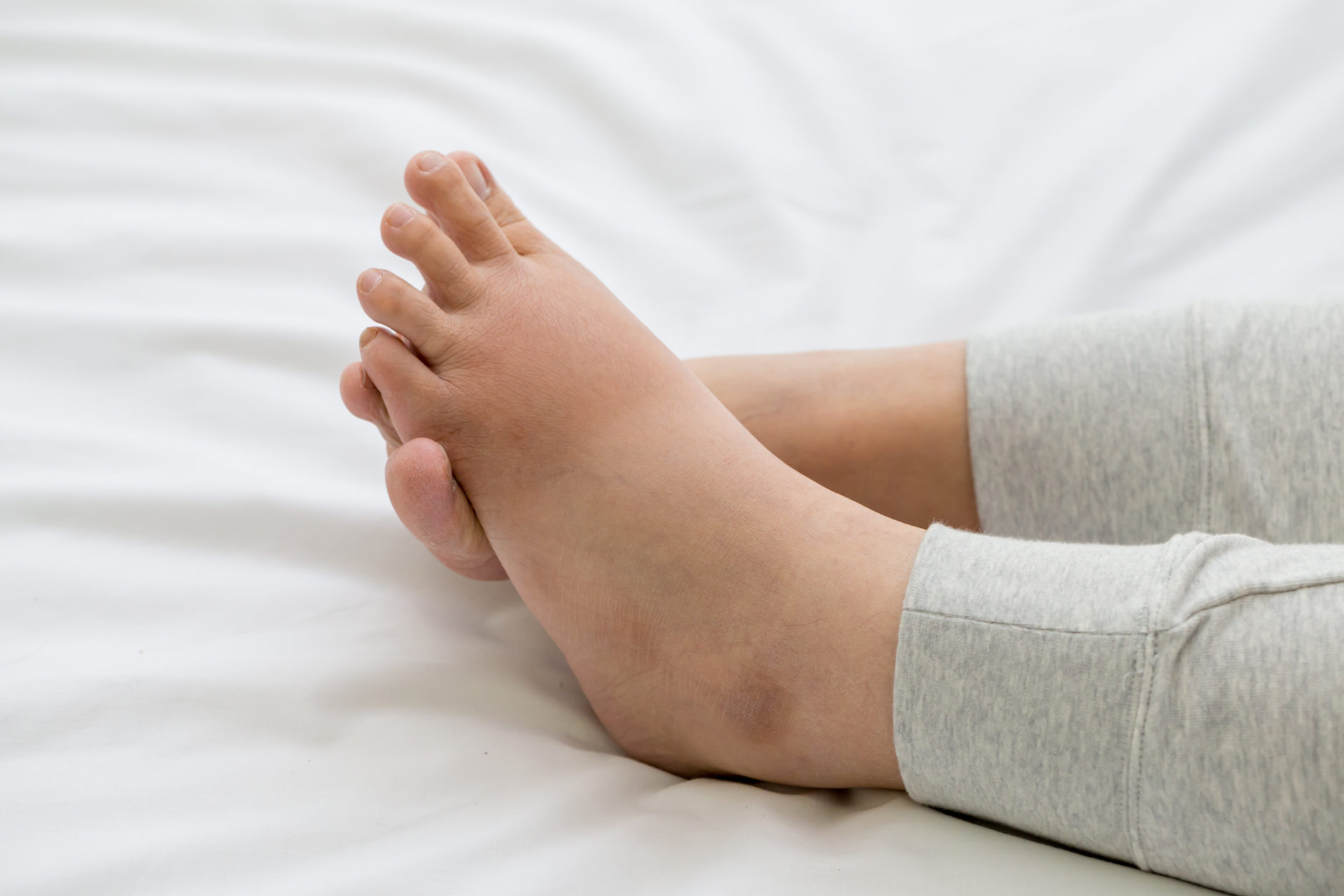
Edema is an enlargement of a part of the body, usually caused by an excess fluid buildup. It is different from inflammation, which is the body’s response to injuries, infections, and toxins. Three common types of edema may impact how the body functions.1
- Acute Edema – Is the swelling that usually occurs within 24 hours of an injury. It is part of your body’s inflammatory response (along with redness, heat, and pain) and very common injuries such as a twisted knee or ankle. This type of swelling responds well to the RICE method: Rest, Ice, Compression, and Elevation. If the swelling lasts longer than 2-3 weeks, it is best to see a physician or physical therapist about your condition.
- Chronic Venous Insufficiency – Veins are the blood vessels that return the blood to your heart. There are valves in your veins that work together with the action of your muscles to make sure the blood travels in the right direction. But when these valves aren’t working well, blood can pool in your lower legs. Signs of this condition include tight and shiny skin, skin discoloration often around the ankles, varicose veins, and in severe cases, ulcers that don’t heal on their own. Venous insufficiency can be managed by a physical therapist who is trained in compression bandaging and can fit the patient with a compression garment. Wound care may also be required.
- Lymphedema – Lymphedema is a protein-rich swelling caused by an obstruction of the lymphatic system. It commonly occurs in one arm or one leg but can also occur in both arms, legs, the head, chest, or genitals. Primary lymphedema is caused by a lymphatic system deficiency that is present at birth. Secondary lymphedema is a result of something else, commonly cancer treatment. People who suffer from lymphedema would benefit from seeing a Certified Lymphedema Therapist for Complete Decongestive Therapy (CDT). CDT includes Manual Lymphatic Drainage (MLD), compression, skincare, and exercise.
In addition to these types of edema, swelling can signify a more serious health condition. If you experience shortness of breath, difficulty breathing, or chest pain, you should see a physician immediately.
The Physical Therapists at Kintsugi Physical Therapy and Wellness are trained to identify the cause of acute and chronic edema and recommend the next steps to help you return to a healthy life. If you are suffering from edema, please call us at 253-330-8518 to schedule an evaluation.
References:
- Edema – Symptoms and causes. (2021). Retrieved 14 October 2021, from https://www.mayoclinic.org/diseases-conditions/edema/symptoms-causes/syc-20366493